• Police seek suspects in deadly birthday party shooting
  • Lawmakers launch inquires into U.S. boat strike
  • Nov. 29, 2025, 10:07 PM EST / Updated Nov. 30, 2025,…
  • Mark Kelly says troops ‘can tell’ what orders…

Be that!

contact@bethat.ne.com


Be That ! Menu   ≡ ╳
  • Home
  • Travel
  • Culture
  • Lifestyle
  • Sport
  • Contact Us
  • Politics Politics
☰

Be that!

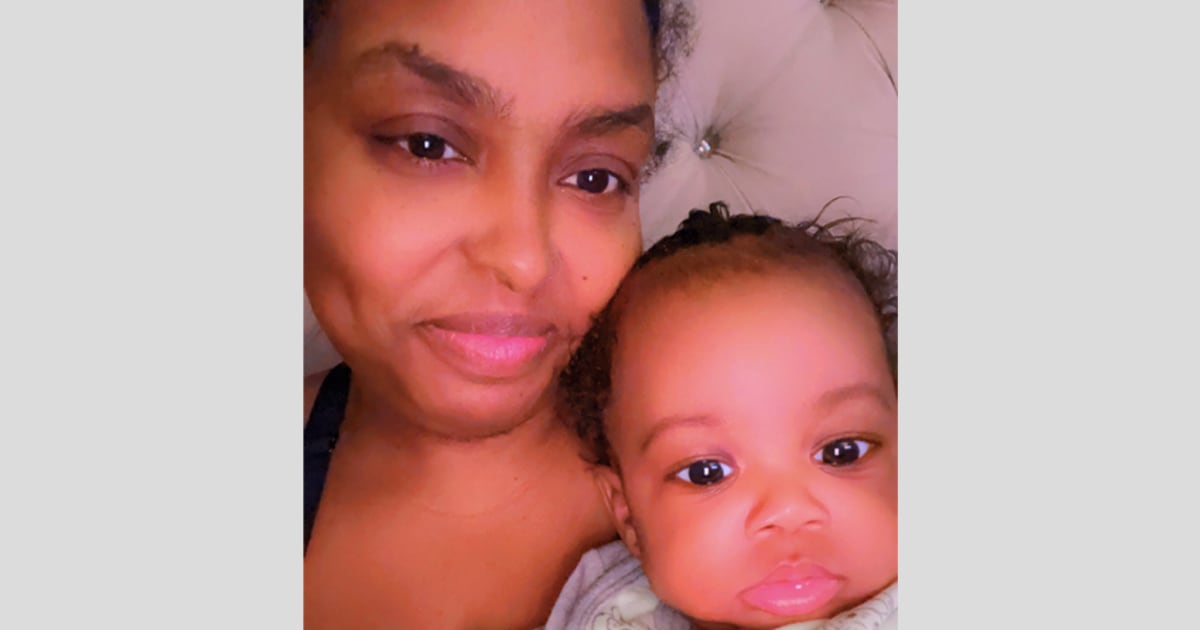
Nov. 15, 2025, 6:00 AM ESTBy Elizabeth CohenSome medical centers are taking a dramatic step to save mothers and babies after studies have shown too many doctors fail to follow guidelines for preventing pre-eclampsia, a potentially deadly pregnancy complication.These hospitals now recommend that all of their pregnant patients take low-dose aspirin. Studies show the drug is safe and can help prevent pre-eclampsia, a condition characterized by high blood pressure, and other pregnancy dangers.Last week, the March of Dimes, a nonprofit research and advocacy group focused on maternal and infant health, essentially blessed this approach, saying it may be “medically reasonable” for some medical practices to offer all of their pregnant patients the drug.The move could pave the way for more doctors to recommend low-dose aspirin to all of their pregnant patients, much as they do already with prenatal vitamins.Pre-eclampsia, a leading cause of death among mothers and babies, affects about 1 in every 25 pregnancies in the U.S. Black mothers and women with high blood pressure or diabetes, or who are 35 or older, among other factors, are at increased risk.Rates of the disease have climbed 25% in the last two decades in the United States, according to the Preeclampsia Foundation.The March of Dimes report says that in clinical trials, low-dose aspirin reduces the risk of pre-eclampsia by 15%, and also preterm birth by 20% and perinatal mortality — death of a fetus late in pregnancy or a baby in the first week of life — by 20%.More than a decade ago, the U.S. Preventive Services Task Force recommended that pregnant women at increased risk for pre-eclampsia take low-dose aspirin, optimally from between 12 and 16 weeks of pregnancy until delivery, to prevent the complication. The American College of Gynecologists and Obstetricians has issued similar guidance — but studies show many doctors still don’t follow it.The new March of Dimes guidelines say that if most pregnant patients in a practice are at increased risk of pre-eclampsia, it’s reasonable to recommend low-dose aspirin to all of its pregnant patients.Some obstetricians applauded the new March of Dimes report, which is co-authored by the California Maternal Quality Care Collaborative, saying it could decrease the rates of pre-eclampsia.“A statement by such well-respected, science-backed organizations could really move the needle,” said Dr. Adam Lewkowitz, a pre-eclampsia expert and an assistant professor of obstetrics and gynecology at the Warren Alpert Medical School of Brown University.‘Nobody ever mentioned’ low-dose aspirinAbout five weeks before her due date, Angela Jones suddenly started speaking in gibberish and her vision blurred. On her way to the hospital, she had seizures and doesn’t remember delivering her baby by emergency C-section.If Jones’ doctors had followed guidelines from the American College of Obstetricians and Gynecologists, they would have recognized that because Jones was at increased risk for pre-eclampsia, she should have been taking low-dose aspirin during her pregnancy.“Nobody ever mentioned anything about low-dose aspirin to me,” said Jones, who lives in Downey, California, and shared her story with the California Maternal Quality Care Collaborative. “I didn’t know you could have seizures. I didn’t know you could have a stroke, or even die from preeclampsia.”Angela Jones was at increased risk of pre-eclampsia during her pregnancy.Courtesy of Angela JonesThe groups offer a screening tool so doctors can determine which of their patients should take the drug, and Jones fit several criteria: she’s Black, obese, and this was her first baby in more than 10 years.A complicated, time-consuming formulaMany obstetricians say women like Jones get missed because doctor’s appointments, which are often just 15 minutes long, are too jam-packed to fit in a complex assessment of a patient’s risk factors.A 2022 study from the Duke University School of Medicine looked at babies born in the U.S. in 2019, and found that 85.7% of the mothers were eligible for low-dose aspirin during their pregnancies, but according to the Society for Maternal-Fetal Medicine, less than half of pregnant patients who should be taking the drug are taking it.Low-dose aspirin can prevent pre-eclampsia by improving blood flow to the uterus, according to the March of Dimes. While some studies have shown an increased risk of bleeding for the mother, the March of Dimes said a review of 21 randomized controlled trials showed no increased risk of bleeding, and the group says there’s no evidence of harm to mother or baby.Because the formula to determine which pregnant women should get low-dose aspirin can be complicated and time-consuming, a growing number of major hospitals have begun recommending it to all of their pregnant patients.Dr. David Hackney, the division chief of maternal-fetal medicine at University Hospitals Cleveland Medical Center, said the current guidelines are onerous. “It can all look good on paper, but then there’s the way things work out in the real world,” Hackney said.Because of that, University Hospitals began recommending low-dose aspirin to all pregnant women a few months ago, he said.The Cleveland Clinic has made the same move, said Dr. Adina Kern-Goldberger, an assistant professor at the Cleveland Clinic Lerner College of Medicine.Parkland Health in Dallas, one of the busiest maternity hospitals in the U.S., started the practice three years ago, according to Dr. Elaine Duryea, chief of obstetrics at Parkland and an associate professor of obstetrics and gynecology at UT Southwestern Medical Center. She said her team is currently tracking pre-eclampsia rates to see whether the policy has made a difference.At all these practices, patients can opt out of taking the medicine if they prefer, but obstetricians say most do not.Other medical centers have been less enthusiastic about low-dose aspirin.Northwell Health, the largest health care system in New York, does not universally recommend low-dose aspirin for all pregnant patients, according to Dr. Matthew Blitz, director of clinical research for the division of maternal-fetal medicine at Northwell Health.“The idea is to do no harm, so giving it to everyone, including people who don’t need it, is still a big concern,” Blitz said.Still, he noted that the screening tool is “extremely time-consuming” and it’s possible that Northwell might eventually decide to recommend low-dose aspirin for all pregnant patients.Jones, the mom in California, said she hopes the new report will make a difference.Last year, she became pregnant again, and even though the guidelines say she should have received aspirin — a history of pre-eclampsia is one of the criteria — she says her doctors didn’t suggest it until she was six months along, many weeks later than recommended.She developed pre-eclampsia again, with dangerously high blood pressure and blurry vision.“Doctors need to tell people about this,” she said. “It makes me angry — like what the heck is going on in this system?”Elizabeth CohenElizabeth Cohen is a Peabody Award-winning journalist and a health contributor to NBC News. She is the author of the book “The Empowered Patient.” 
admin - Latest News - November 15, 2025
admin
11 views 15 secs 0 Comments


Some hospitals are taking a dramatic step to save mothers and babies after studies have shown too many doctors fail to follow guidelines for preventing preeclampsia.


Source link

TAGS:
PREVIOUS
Actors and filmmakers meet with the pope at the Vatican
NEXT
Air traffic slowly improves after government reopens
Related Post
September 21, 2025
Trump shares the topic on which he disagreed with Kirk
September 24, 2025
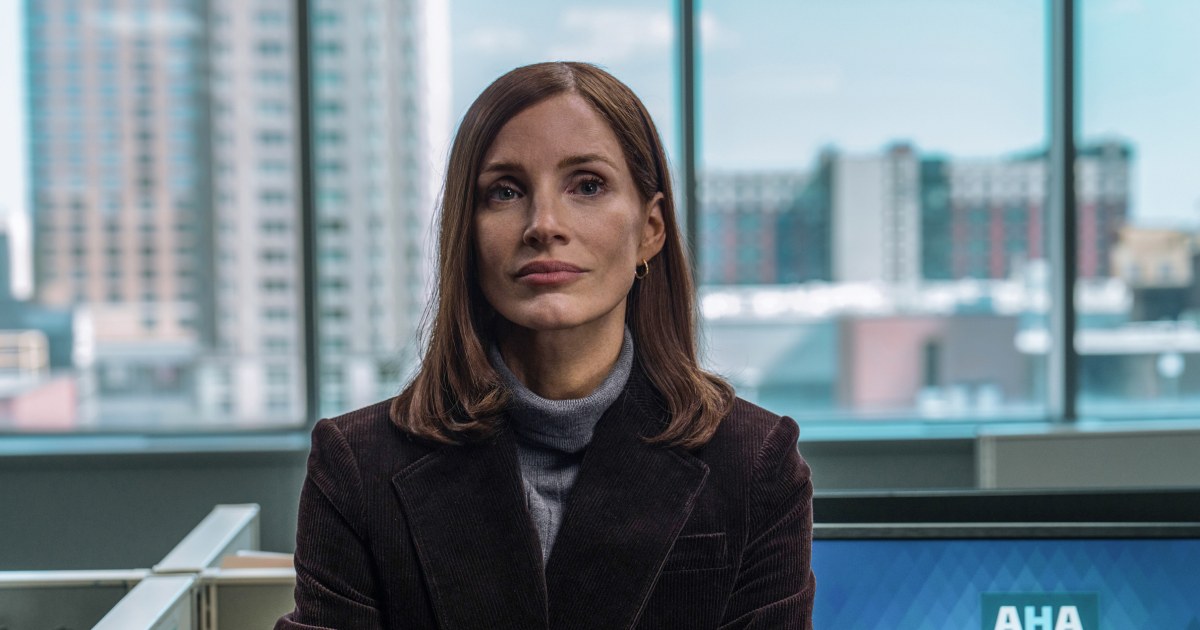
Savewith a NBCUniversal ProfileCreate your free profile or log in to save this articleSept. 24, 2025, 12:34 PM EDTBy Daniel ArkinOscar-winning actor Jessica Chastain said Wednesday she isn’t “aligned” with Apple on the company’s decision to postpone the debut of “The Savant,” a streaming series about an investigator who infiltrates online hate groups.”I want to say how much I value my partnership with Apple. They’ve been incredible collaborators and I deeply respect their team,” Chastain said in a post on her Instagram account. “That said, I wanted to reach out and let you know that we’re not aligned on the decision to pause the release of The Savant.”The first two episodes of “The Savant” were scheduled to premiere Friday. But in a brief statement to Variety this week, an Apple TV+ spokesperson said the platform decided to postpone the show’s rollout after “careful consideration,” adding: “We appreciate your understanding and look forward to releasing the series at a future date.”Apple TV+ did not identify an exact reason for the show’s delay or specify the considerations it weighed. The decision came two weeks after the assassination of conservative activist Charlie Kirk, who was fatally shot at an event in Utah. Utah Gov. Spencer Cox, a Republican, has said the suspect in Kirk’s killing was influenced by what he characterized as “leftist ideology.””The Savant” was adapted from a 2019 article published in the magazine Cosmopolitan titled “Is It Possible to Stop a Mass Shooting Before It Happens?” The miniseries stars Chastain as a woman who “infiltrates online hate groups in an effort to stop domestic extremists before they act,” according to Apple’s press materials.”In the last five years since we’ve been making the show,” Chastain said in her Instagram post, “we’ve seen an unfortunate amount of violence in the United States.” She listed examples of such violence, including the attempted kidnapping of Michigan Gov. Gretchen Whitmer; the Jan. 6, 2021, attack on the U.S. Capitol; the two assassination attempts on President Donald Trump; the assassination of a Democratic lawmaker in Minnesota; and the fatal shooting of Kirk.”These incidents, though far from encompassing the full range of violence witnessed in the United States, illustrate a broader mindset that crosses the political spectrum and must be confronted,” Chastain said. “I’ve never shied away from difficult subjects, and while I wish this show wasn’t so relevant, unfortunately it is.””While I respect Apple’s decision to pause the release for now, I remain hopeful the show will reach audiences soon,” Chastain added.Spokespeople for Apple TV+ did not immediately respond to an email requesting comment on Chastain’s post.Apple postponed “The Savant” at an especially tense moment for American media companies as they navigate political pressure, regulatory scrutiny and a polarized viewing public.Disney, for example, became embroiled in a national firestorm over its decision to suspend Jimmy Kimmel’s late-night talk show following criticism from Federal Communications Commission Chairman Brendan Carr. Kimmel returned to ABC’s lineup Tuesday night, but two companies that own affiliate stations are still refusing to air his show.Apple CEO Tim Cook is also attempting to walk a fine line with the Trump administration. Apple has pledged to invest $600 billion in the U.S. over the next four years as it works to avoid tariffs on items used in iPhones and other key products.Chastain is best known for the movies “The Help,” “Zero Dark Thirty” and “Interstellar.” She won an Academy Award for best actress in 2022 for her title role in the biopic “The Eyes of Tammy Faye.”Daniel ArkinDaniel Arkin is a national reporter at NBC News.
November 28, 2025
National Guard Member Dies After Targeted Ambush in D.C.
October 26, 2025
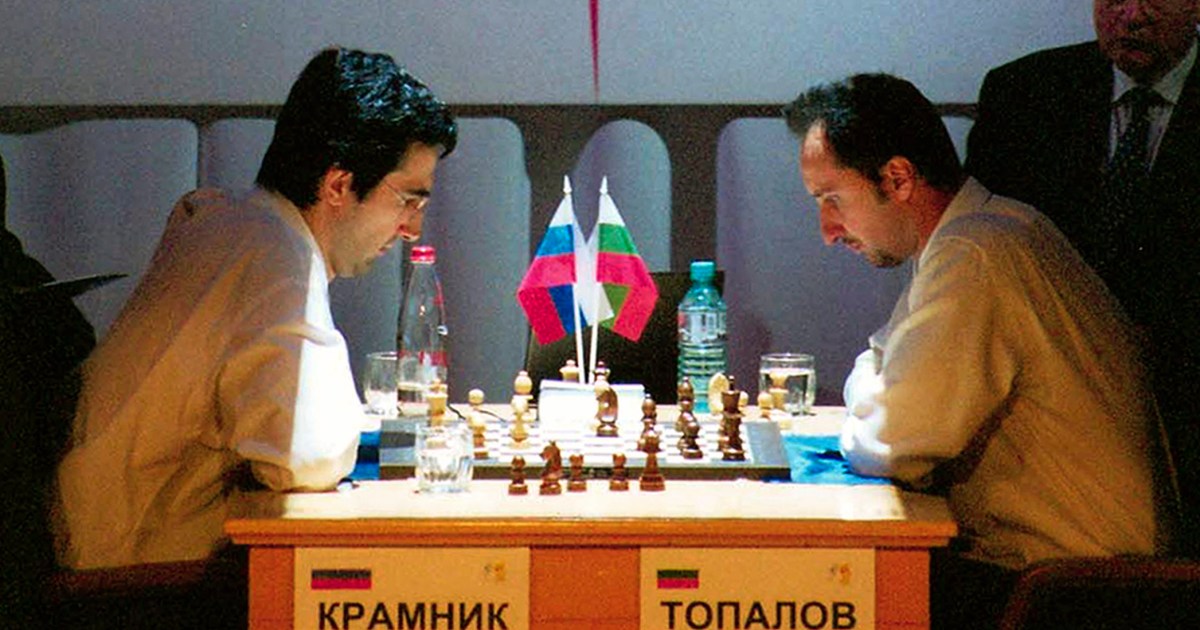
Oct. 26, 2025, 6:30 AM EDTBy Corky SiemaszkoThe Russian chess master accused by his peers of bullying Daniel Naroditsky, the U.S. grandmaster who was found dead last week, has himself been hit with unfounded cheating allegations in the past — a 2006 chess scandal that came to be known as “Toiletgate.”The manager of Vladimir Kramnik’s opponent in that title match, Veselin Topalov, claimed the Russian was using the bathroom up to 50 times per match to surreptitiously look up chess moves on a computer — a charge that Kramnik’s manager hotly denied.“It should also be mentioned that Mr. Kramnik has to drink a lot of water during the games” and likes to pace in the bathroom, Carsten Hansel added, according to news reports.Kramnik eventually won the match and became the undisputed World Champion of chess, but only after agreeing to World Chess Federation (FIDE) demands that he use the same bathroom as his opponent. It was a concession Kramnik initially protested with a sit-in near the bathroom, causing him to forfeit one of the games in the match.Later, Topalov and his manager were sanctioned by the FIDE Ethics Commission for “making unsubstantiated accusations of cheating.”Kramnik, responding to an NBC News request for comment on the renewed interest in “Toiletgate,” said in an email on Friday, “Since I always played fair throughout my career, this insinuation didn’t bother me much, I took it quite lightly.”Since Kramnik had repeatedly suggested Naroditsky had cheated, his own brush with what turned out to be apparently baseless allegations resurfaced this week in the wake of Naroditsky’s death. A cause of death for Naroditsky has not been announced. “It is a bit ironic for someone like Kramnik, who had been accused of cheating, to then turn around and accuse somebody else of cheating,” Erik Allebest, CEO of Chess.com, which is the largest chess platform in the world, said Friday.Young chess champ found deadNaroditsky, 29, was found dead Sunday at his home in Charlotte, North Carolina. Police on Thursday said they were investigating his death as a possible suicide or drug overdose.FIDE said it would investigate whether Kramnik should be disciplined for the disparaging public statements he made “before and after the tragic death” of Naroditsky.During his last livestream on Saturday, Naroditsky told his audience that the cheating claims by Kramnik, whom he once idolized, had taken a toll on him.Daniel Naroditsky.Kelly Centrelli / Charlotte Chess Center“Ever since the Kramnik stuff, I feel like if I start doing well, people assume the worst of intentions,” he said.Chess.com banned Kramnik in 2023 from taking part in prize tournaments after he accused multiple players of cheating, said Allebest.Kramnik has claimed to be the “subject of a bullying and slandering PR campaign,” as well as ongoing threats to him and his family since Monday. That was when the Charlotte Chess Center in North Carolina, where Naroditsky trained and worked as a coach, announced on social media that he had died.The Russian has also denied bullying Naroditsky and said in an email Friday that his lawyers were “preparing a major case against every media resource publishing this false information.”Do chess players cheat?Allebest acknowledged there is cheating in competitive chess.“It’s just a human thing and it’s the same with any sport,” he said. “For some the rewards of winning outweigh the cost to their consciences. For some it’s monetary, although it’s rare that the prize money is that big.”Among other things, Chess.com runs weekly online money matches where players can take home up to $3,000.“It’s not big money,” Allebest said. “More often, players will be cheating to gain notoriety, to boost their streaming audience, to rise in the rankings and get famous by taking on the best players. It’s a perception thing.”Those matches, he said, are also closely monitored.“For players competing in prize money matches, we have a monitoring program called Proctor that they download that keeps track of what’s going on on their computers,” Allebest said. “We have front and rear-facing cameras to monitor the players.”Now that so much chess is played online, the cheating methods have also gone digital.“They’ll use computer algorithms to determine the best move, they’ll have a second program running on their computer while the game is being played,” he said. “Sometimes they’ll have somebody sitting next to them with an iPad looking up the best moves.”So Chess.com looks for red flags.“We have statistical models that help us identify possible cheaters,” Allebest said. “For example, if a new player signs up and suddenly starts winning a lot of games in a row, or whose ranking starts climbing fast, or if we detect other factors that we cannot disclose, we will look into it.”In their most recent “Fair Play Update” from September, Chess.com reported that 125,000 accounts were “closed for cheating.”‘Painful’ allegationsStarting in October 2024, Kramnik publicly accused Naroditsky of cheating in online chess, suggesting his near-perfect play was “statistically impossible.”Allebest said statistics don’t always tell the whole story.Russian chess Grandmaster Vladimir Kramnik in Paris in 2016.Joel Saget / AFP / Getty Images file“The thing that often gets forgotten is that in statistics, lightning does, sometimes, strike twice,” Allebest said. “When you have 20 million games being played every day, a one in a million chance thing happens every day. Some players, especially old guard players who didn’t grow up playing online chess, often find that hard to understand.”Allebest said he gets why Naroditsky, a child prodigy, might have felt despondent in the face of accusations leveled at him by a world-renowned player like Kramnik.“It is painful for players like Danya to be accused of cheating because since they were young they put in hours and hours and hours of work,” he said, referring to Naroditsky by his nickname. “For some, that all gets thrown into the garbage by an accusation. For players who view chess as sacred, it hurts them in the soul.”Corky SiemaszkoCorky Siemaszko is a senior reporter for NBC News Digital.
Comments are closed.
Scroll To Top
  • Home
  • Travel
  • Culture
  • Lifestyle
  • Sport
  • Contact Us
  • Politics
© Copyright 2025 - Be That ! . All Rights Reserved