• Police seek suspects in deadly birthday party shooting
  • Lawmakers launch inquires into U.S. boat strike
  • Nov. 29, 2025, 10:07 PM EST / Updated Nov. 30, 2025,…
  • Mark Kelly says troops ‘can tell’ what orders…

Be that!

contact@bethat.ne.com


Be That ! Menu   ≡ ╳
  • Home
  • Travel
  • Culture
  • Lifestyle
  • Sport
  • Contact Us
  • Politics Politics
☰

Be that!

Displaced Sudanese arrive at UNHCR camp

admin - Latest News - November 17, 2025
admin
14 views 30 secs 0 Comments


Displaced Sudanese arrived at a U.N. refugee camp in the town of Tawila after escaping the Darfur city of al-Fashir. The war between the Sudanese army and the RSF, which began in April 2023, has created what the U.N. has called the world’s largest humanitarian crisis at a time when global aid budgets are shrinking.


Source link

TAGS:
PREVIOUS
Homes collapse in Italy following flooding
NEXT
Trump says he supports release of Epstein files
Related Post
November 30, 2025
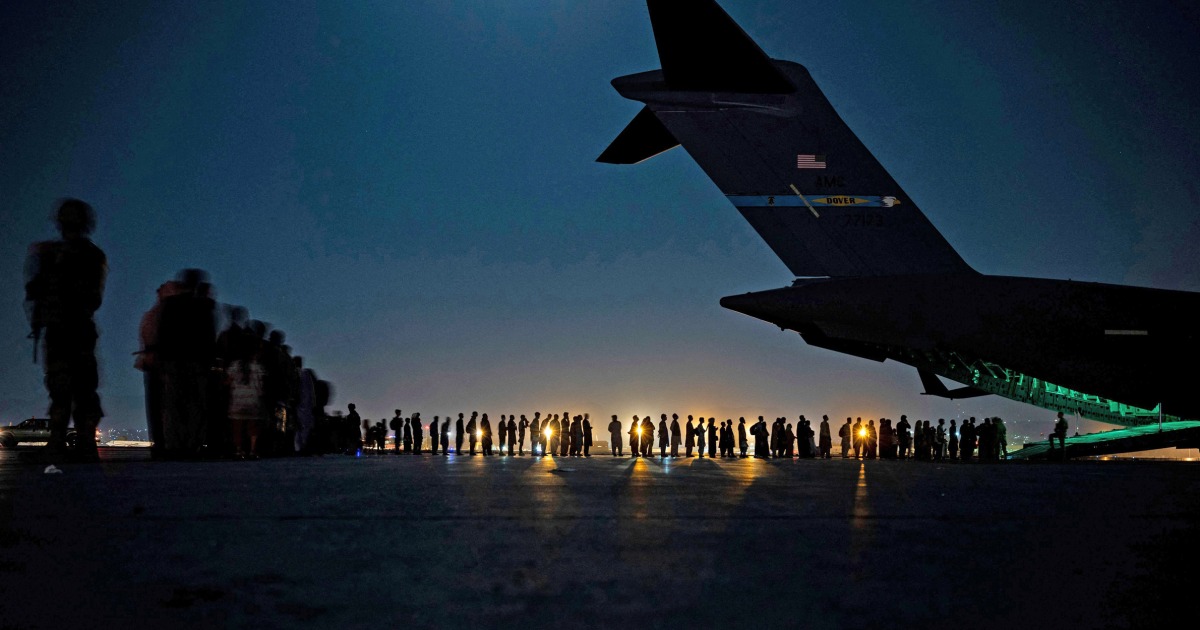
Nov. 30, 2025, 8:35 AM ESTBy Dan De Luce and Rich SchapiroBefore Rahmanullah Lakanwal settled in a quiet part of Washington state, he was part of a secret unit of Afghans who operated under CIA direction and hunted down Taliban commanders in highly dangerous missions.They “took malignant actors off the battlefield and saved American lives, period,” said Andrew Sullivan, who served as an officer with the Army’s First Division in Afghanistan and is now executive director of No One Left Behind, a nonprofit that helps resettle Afghans who worked for the U.S. military during the war. These members of “Zero Units,” also known as National Strike Units, were among the most extensively vetted of any Afghans who worked with American forces. CIA officers hailed their bravery, skill and loyalty, and the agency prioritized their evacuation from Afghanistan following the fall of Kabul in 2021 because they were prime targets for the Taliban.But since arriving in the United States, thousands of these Afghan veterans have lived in a legal limbo without work permits, struggling to feed their families, according to refugee advocates. Their former CIA and military colleagues appealed to both the Biden and Trump administrations and to Congress to take action to resolve their legal status, warning that the lack of progress was driving some veterans into despair, the advocates said. Lakanwal, 29, is accused of driving across the country and shooting two National Guard members near the White House last week, killing Sarah Beckstrom, 20, and critically wounding Andrew Wolfe, 24. The suspect, who was shot and wounded during the attack, will face charges of first-degree murder and other offenses, U.S. Attorney Jeanine Pirro has said.Authorities have not provided a motive for the shooting, and a relative of Lakanwal’s has said the family cannot fathom why a man who fought alongside Americans in Afghanistan may have carried out such an attack. “I need your help to know why this happened,” the relative told NBC News last week, his voice cracking with emotion. In the wake of the shooting, President Donald Trump has called for a full review of all Afghans admitted to the country and a halt to processing any immigration requests from Afghans seeking to resettle in the United States. Some administration officials have claimed without evidence that the Biden administration failed to vet Lakanwal. But Lakanwal, as a member of the CIA-trained strike force, would have undergone extensive vetting before he joined the Zero Unit and also regular security checks during his tenure, former intelligence and military officials said. The Central Intelligence Agency oversaw the evacuation of Lakanwal and nearly 10,000 members of the force when the U.S. military withdrew from Afghanistan in 2021. Like other refugees, Lakanwal would have been vetted again, multiple officials said, when he applied for asylum, which was granted in April — during the Trump administration.White House spokesperson Abigail Jackson on Saturday blamed Trump’s predecessor.“This animal would’ve never been here if not for Joe Biden’s dangerous policies which allowed countless unvetted criminals to invade our country and harm the American people,” Jackson said in an emailed response to a request for comment.Former intelligence officers and military veterans who work with refugees say even the most extensive vetting cannot guarantee that a person will never resort to violence.“Vetting can help mitigate threats, but it doesn’t eliminate threats,” said Geeta Bakshi, a former CIA officer who worked in Afghanistan and now runs FAMIL, a nonprofit that assists members of the Zero Units. “It’s hard to say what motivated this individual to act in such a violent and horrific way. You never know what’s going on in someone’s head, or why their mindset shifts.”She added: “I understand the FBI is leading a very thorough investigation to get to these answers — we look forward to supporting them in their efforts.”Appeals for helpThe veterans of the Zero Units took part in intense combat. Many saw friends killed on the battlefield and some suffered grievous wounds. Like their American counterparts in special operations forces, they continue to grapple with the effects of their war-time trauma. Their legal difficulties in the U.S. have only aggravated their mental health challenges, according to former intelligence officers and military veterans.“If you bring people here and you don’t let them feel like there is any hope, you’re leaving them in a very troubling situation,” said a spokesperson for the nonprofit 1208 Foundation, which provides assistance to Afghans who worked with U.S. Special Forces. “Americans are looking at these people like they’re pariahs now but in reality they potentially offer a major advantage to the U.S. if we use them correctly,” he said, referring to how valuable the Zero Force veterans could be in security jobs.Lakanwal, who grew up in Khost province, was living in Bellingham, Washington, with his wife and five children, the relative said.This past summer, he worked for Amazon Flex, a service run by Amazon where people use their own vehicles to make deliveries as contract workers. But he had not been active recently, an Amazon spokesperson said. Two years ago, a former Afghan commander with the Zero Units, Mohammad Shah, wrote a letter warning lawmakers that his former troops are in “urgent crisis” and that Congress needed to act to resolve their legal status.“Without your help, we are trapped,” Shah wrote.“Recently, there have been cases of suicide within our community driven by the overwhelming sentiment of helplessness we feel as our requests for immigration assistance go ignored by the U.S. Government,” Shah added.During the war, multiple human rights organizations alleged the Zero Units troops committed abuses and possible war crimes, including extrajudicial executions, partly due to flawed intelligence. A Human Rights Watch report alleged 14 incidents of serious abuses from 2017 to 2019.Former members of the strike force and former CIA officers who worked with them reject the allegations. They say that the Zero Units were trained in the laws of armed conflict and that each operation was carefully reviewed in advance.Earlier this month, members of the strike force were honored at an event in Washington organized by the FAMIL group that featured speeches by Republican Sen. Markwayne Mullin of Oklahoma, along with former CIA and military officers. “The Zero Units were the cream of the crop. They were the top of the top 1%,” Mullin said in a video posted by FAMIL.Proposed bipartisan legislation, the Afghan Adjustment Act, would have put an end to the legal uncertainty for the Zero Units veterans and all other Afghans who worked for the U.S. government during the war. The bill, which was endorsed by military veterans in Congress, also called for additional security vetting for Afghan refugees seeking permanent legal status. But despite several attempts over the past four years, Congress never adopted the proposal. Apart from the Zero Units members, tens of thousands of Afghans who worked for the U.S. government in Afghanistan still face legal uncertainty. Many have applied for asylum while they wait for their applications for special immigrant visas to be processed. As of July, about 3,000 members of the Zero Units still had no work permits and no certainty about their legal status, according to advocates who work with the veterans. Returning to Afghanistan is not an option for them, advocates say, because of the threat of being hunted down by the Taliban for working with Americans. During his first term, Trump agreed to a deal that called for the departure of all American troops from Afghanistan, and Biden decided to carry out the accord after delaying the exit day by several months. Since then, Trump has repeatedly criticized his predecessor for the way the U.S. withdrawal from Afghanistan was handled. This July, Trump suggested that some Afghans deserved to be granted legal status in the United States. “We know the good ones, and we know the ones that maybe aren’t so good,” Trump said after he was asked a question about Afghan refugees. “We’re going to take care of those people, the ones that did a job [for us], the ones that were told certain things.”Dan De LuceDan De Luce is a reporter for the NBC News Investigative Unit. Rich Schapiro Rich Schapiro is a reporter with the NBC News national security unit.
October 31, 2025
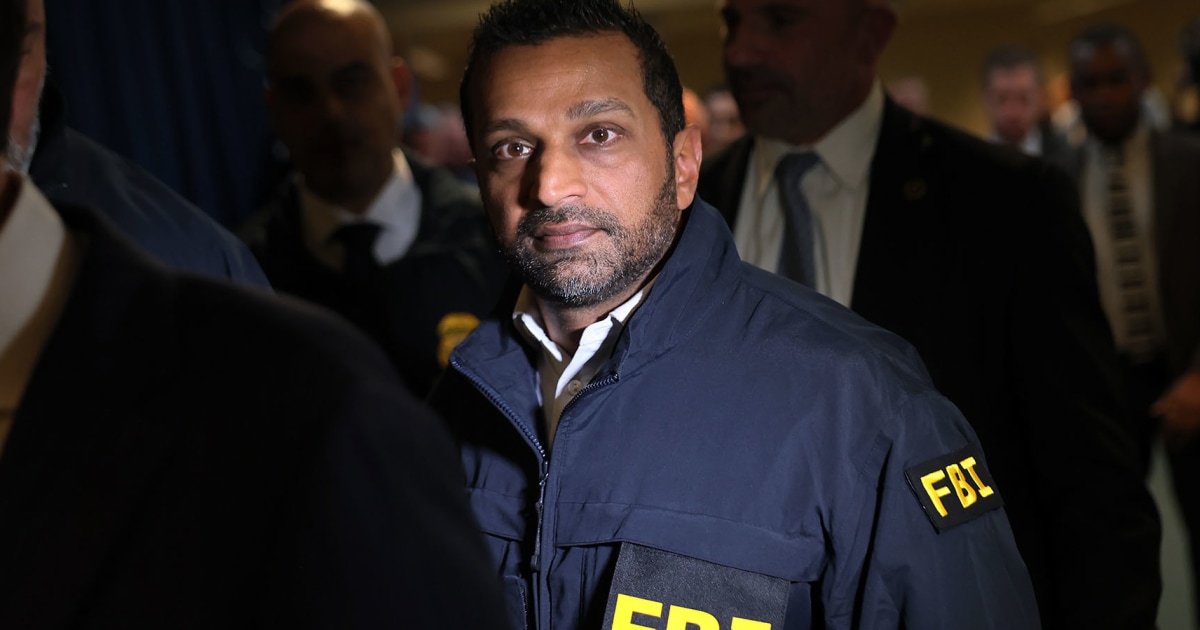
Savewith a NBCUniversal ProfileCreate your free profile or log in to save this articleOct. 31, 2025, 8:29 AM EDT / Updated Oct. 31, 2025, 10:04 AM EDTBy Michael Kosnar, Tom Winter, Jonathan Dienst, Kelly O’Donnell and Patrick SmithThe FBI arrested multiple suspects who were allegedly plotting a foiled “potential terrorist attack” in Michigan over the Halloween weekend, Director Kash Patel said Friday.“This morning the FBI thwarted a potential terrorist attack and arrested multiple subjects in Michigan who were allegedly plotting a violent attack over Halloween weekend,” Patel wrote in a statement on X.Four senior law enforcement officials familiar with the case said the FBI in Detroit apprehended a group of young individuals into custody today who were plotting some form of attack with a possible reference to Halloween.Those officials say the group has a nexus to some form of foreign extremism, but did not say if it was ISIS, Al Qaeda, or some other similar ideology. Officials stressed there is no current threat to the public,One official says some of the arrests occurred in Dearborn and Inkster, Michigan. Law enforcement was able to monitor the group in the greater Detroit area in the past several days at a minimum to make sure no actual attack happened, the officials said.A federal law enforcement source told NBC News that the FBI arrests took place in Dearborn and Inkster, cities outside of Detroit.Dearborn police confirmed in a Facebook post that the FBI carried out an operation there on Friday morning.“The Dearborn Police Department has been made aware that the FBI conducted operations in the City of Dearborn earlier this morning,” police said, before adding that there was no threat to the public.The case involves federal charges and arrests, but the court documents are sealed as of Friday morning.Michael KosnarMichael Kosnar is the Justice Department Producer for NBC News. Tom WinterTom Winter is NBC’s National Law Enforcement and Intelligence Correspondent. Jonathan DienstJonathan Dienst is chief justice contributor for NBC News and chief investigative reporter for WNBC-TV in New York.Kelly O’DonnellChief Justice and National Affairs CorrespondentPatrick SmithPatrick Smith is a London-based editor and reporter for NBC News Digital.Rebecca Shabad contributed.
November 6, 2025
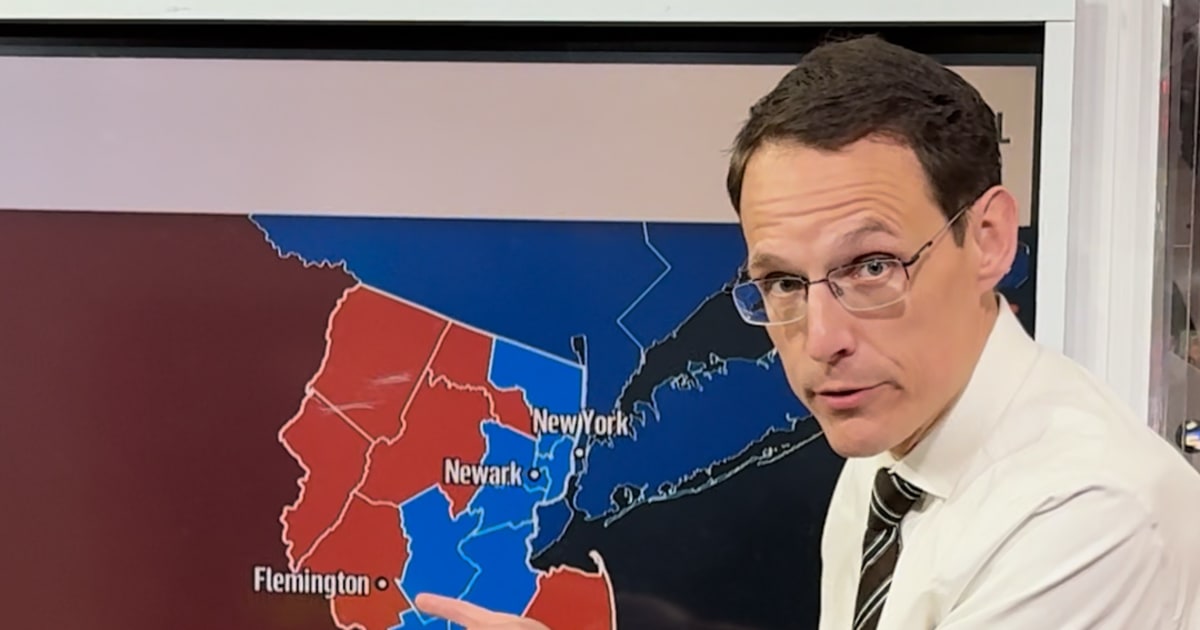
Steve Kornacki: Warning signs for GOP in N.J results
November 27, 2025
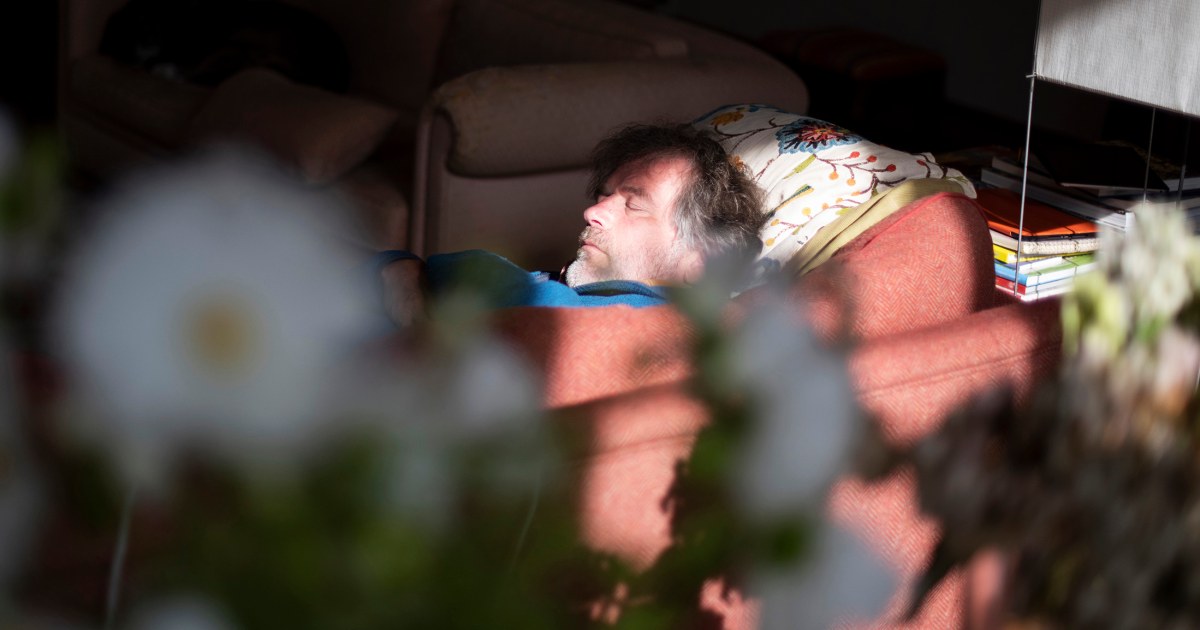
Nov. 27, 2025, 10:09 AM ESTBy Harriet BaskasA record number of Americans will travel this weekend, packing up their bags and hitting the road to spend the Thanksgiving holiday with family, friends and maybe some football.But travel this year will look different than it did 12 months ago, according to a bevy of early data, surveys and industry experts.The chief culprits behind the shifts? More travelers; deepening economic anxiety; tensions around geopolitics; and a six-week government shutdown that only ended a few weeks ago.Record travelers, but tighter beltsAAA projects that 81.8 million people will travel at least 50 miles over the long holiday weekend — 1.6 million more people than last Thanksgiving and a record level.Six million of those travelers are expected to take domestic flights, another increase over last year. But AAA warns that some air travelers might decide to switch to a train, bus, car or RV due to a bevy of recent flight cancellations.More than a third of Americans who have travel plans during the next six months said those plans had been affected by the six-week government shutdown, according to survey data from Longwoods International, a travel and tourism research firm.Meanwhile, some holiday travel has simply “evaporated,” said Amir Eylon, president and CEO of Longwoods. He pointed to data from the survey that showed nearly 1 in 3 people whose holiday travel plans were affected by the shutdown had canceled them altogether.Scott Keyes, founder of the Going.com travel app, isn’t surprised by the losses.“Considering that over a million people went without paychecks during the shutdown, and the fact that many people wait to make plans in the final weeks before travel, it’s safe to assume that a significant chunk of travelers are skipping out on trips they otherwise might have taken,” he said in an email.It’s too early to predict how many people will opt to take commercial buses this weekend, said Kai Boysan, CEO of Flix North America, the parent company of FlixBus and the Greyhound bus service.“Most bus bookings happen within 24 to 72 hours of departure,” he said via email. “But searches are trending up year over year, especially around peak days: Tuesday and Wednesday before Thanksgiving and Sunday return.”Melissa Ulrich, owner of the Austin, Texas-based travel company You Pack, We Plan, said the shutdown had merely compounded the impact of existing economic pressures on some of her clients.“We had clients choose a different level of trip,” she said. Some luxury travelers were scaling back from five-star to four-star lodgings, said Ulrich, and other clients were downgrading from four-star to 3.5-star accommodations.“It started this summer and continued with the shutdown,” she said.As the U.S. job market has slowed down, unemployment has crept up this year and inflation remains stubbornly elevated.Consulting giant Deloitte’s holiday travel survey found the same factors at work: more travelers overall, but significantly fewer dollars expected to be spent per person.Even before the government closed for six weeks, the Deloitte survey found that holiday travelers planned to spend around 18% less on average this year than they did in 2024.“Financial concerns could be casting a shadow over the season, as many travelers are expected to scale back on the number of trips, trip duration and their overall travel budgets,” said Eileen Crowley, who leads Deloitte’s U.S. transportation, hospitality and services practice.Still, the percentage of Americans who said they plan to travel between Thanksgiving and mid-January, 54%, was 5 points higher than in the same survey a year ago.But there’s a big catch: This overall growth in travelers is being driven chiefly by people who say they are going to be staying with friends and family — and who do not plan to pay for hotels, cruises and bed-and-breakfasts, Deloitte’s research found.That means more friends and relatives expected to crash on sofas and in spare bedrooms, and potentially less money going toward tip jars, restaurant bills and theater tickets.The Canadian questionFor the more than 8 million Americans who make their living directly from travel and tourism, there could be a double whammy coming: less money coming in from domestic travelers and a significant drop in the number of visitors from abroad.Data consistently shows that international travelers are opting out of visiting the U.S., and a range of factors is affecting their decisions.Among them: heightened fears of detention by the U.S. Department of Homeland Security, longer visa wait times and higher fees and concerns about political rhetoric and reports of violence.Overall international travel to the United States this year is projected to be just 85% of its 2019 level, according to the U.S. Travel Association, a top industry group.The main reason for the big decline? A massive drop in tourism from Canada.In previous years, Canadian visitors accounted for slightly more than a quarter of all the foreign travelers to the United States, according to international travel data.But in October there were 30% fewer Canadian residents returning from the U.S. over the border by car than there were during the same month last year, according to newly released Canadian statistics.Likewise, by air, there were nearly a quarter fewer travelers returning to Canada from the U.S. in the same period.Setting aside the missing Canadian visitors, the volume of international travelers to the U.S. this year is expected to be flat or down slightly.But for many people who rely on travel for their livelihoods, it’s next year that could be make-or-break.The United States will host the 2026 FIFA World Cup, an event that traditionally brings millions of spectators from around the world to the host country for games.In an apparent effort to encourage visitors, the Trump administration announced a new fast-track visa system for World Cup ticket holders, allowing them access to priority scheduling for visa interviews. But potential tournament attendees could still face a patchwork of travel bans applied to various countries.Harriet BaskasHarriet Baskas is an NBC News contributor who writes about travel and the arts.
Comments are closed.
Scroll To Top
  • Home
  • Travel
  • Culture
  • Lifestyle
  • Sport
  • Contact Us
  • Politics
© Copyright 2025 - Be That ! . All Rights Reserved