• Explosion in Idaho parking lot leaves one dead
  • How the Trump administration is reacting to Syria…
  • ‘We will retaliate’: Trump blames ISIS for attack…
  • 'We will retaliate’: Trump responds to deaths of…

Be that!

contact@bethat.ne.com


Be That ! Menu   ≡ ╳
  • Home
  • Travel
  • Culture
  • Lifestyle
  • Sport
  • Contact Us
  • Politics Politics
☰

Be that!

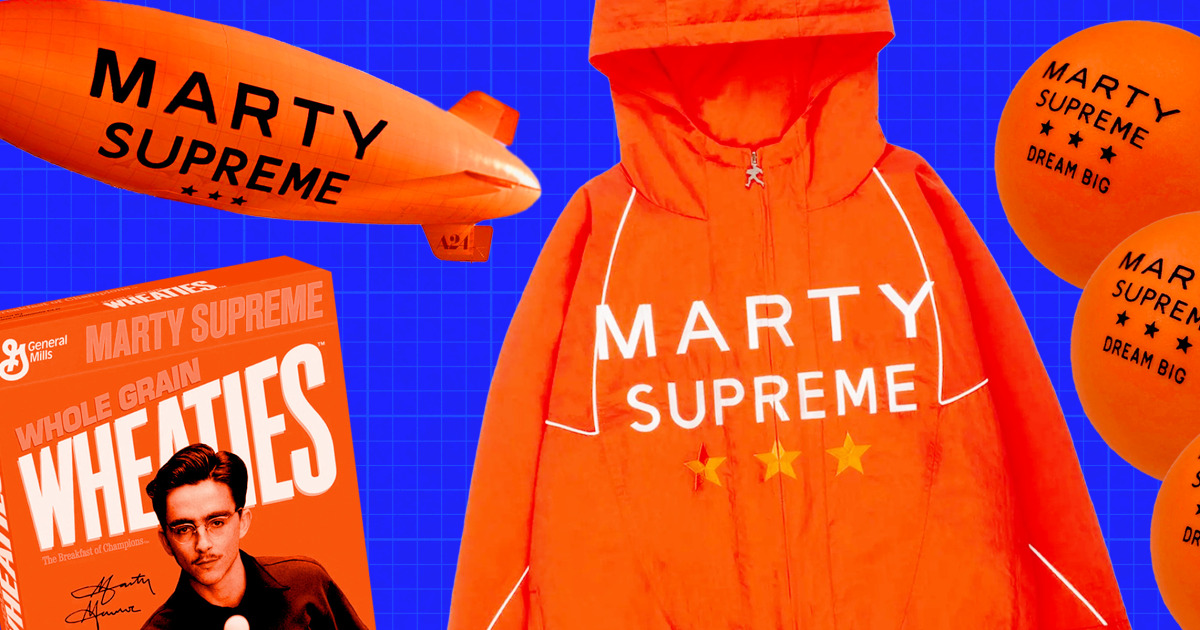
Dec. 12, 2025, 4:16 PM ESTBy Rebecca KeeganLONG BEACH, Calif. — Commuters who were snaking along the 405 freeway in Southern California on Wednesday morning caught an unusual sight. Just about 800 feet above them, a 135-foot orange blimp drifted along the coast. Inside a gondola below the airship, the pilot was gently pumping foot pedals to steer the blimp over the Queen Mary and the L.A. River as the sun rose over the Pacific. The aim of this peaceful morning ride was in fact a bold one: to save independent film, or at least one film. Indie studio A24 rented the blimp to promote “Marty Supreme,” its new Timothée Chalamet movie that rolls out in theaters on Christmas Day. The blimp, which floated from Nashville to Los Angeles last month, is just the latest in a series of unusual marketing techniques the studio is deploying to spread the word about the film, which is about an aspiring ping-pong champion in post-World War II New York.“Marty Supreme” represents A24’s biggest production budget to date, at about $60 million. The marketing is an additional cost, which A24 has not disclosed, though it is widely believed to be less expensive than a traditional campaign because of its reliance more on unconventional stunts than on costly TV and outdoor ads.“It’s both more expensive and less effective to market a movie today than ever before,” said Daniel Loria, senior vice president of the Boxoffice Company, a theatrical e-commerce and data services firm. “Peoples’ attention spans are really divided.”A24 has dropped limited-edition merchandise, like a highly coveted $250 windbreaker, put their star on the cover of a Wheaties box and orchestrated a surprise premiere at the New York Film Festival. With an Instagram post from Chalamet, they alerted fans to a “Marty Supreme” streetwear popup in East Hollywood, generating crowds so big the LAPD was called. Chalamet and the film’s director, Josh Safdie, traveled to a fan event in Sao Paulo, Brazil, where they danced to Soulja Boy’s “Crank That” and handed out orange ping-pong balls. The movie’s maximum effort promotional campaign has even poked fun at itself, in an 18-minute mock Zoom meeting between Chalamet and a marketing team in which he proposed painting the Statue of Liberty orange. The strategy has been both weirder and more original than simply dropping a movie trailer and buying TV ads and billboards, a technique that used to be known as “spray and pray.” That’s because it takes creativity to get people to go see an offbeat movie in a theater in 2025, even when it stars Hollywood’s hottest young actor. During the pandemic, audiences learned to stay home and stream instead of heading to theaters, and domestic box office last year was still 24% below pre-pandemic levels. Enticing ticket buyers for movies that are not part of a well-known franchise is especially hard, and even stars don’t guarantee a big turnout. Despite Dwayne Johnson in the lead, A24’s “The Smashing Machine” opened to a disappointing $6 million in October, and Sydney Sweeney’s “Christie,” from Black Bear Pictures, also underperformed, earning just $1.3 million in a wide opening release.“What used to work doesn’t work now. It’s such a fractured, competitive environment,” said a veteran marketing executive, who spoke off the record because she was not authorized to comment on competitors. “People don’t think they need to go to the movie theaters anymore. The question becomes, ‘Is this theater worthy for me?’”Other studios have also been experimenting with unorthodox promotions this year. To help them open “Final Destination: Bloodlines” this spring, Warner Bros. sent logging trucks spattered with fake blood out onto highways, in a reference to one of the horror franchise’s infamous kill scenes. For an influencer screening of their Stephen King adaptation “The Long Walk,” Lionsgate had the audience walk on treadmills for the duration of the movie. To get crowds to Yorgos Lanthimos’s “Bugonia” this fall, Focus Features held “bald screenings“ for hairless moviegoers, a nod to Emma Stone’s character in the film. (Focus Features is a division of NBCUniversal, the parent company of NBC News.)There is a long history of Hollywood and movie theater owners getting inventive to attract crowds. To generate buzz around the 1973 dystopia “Soylent Green,” some theater owners filled their concession slushy machines with green food coloring, a reference to the film’s title, a mysterious and ultimately cannibalistic food source on an environmentally devastated future Earth. Also in 1973, for “The Exorcist,” theater owners paid to have ambulances parked outside, to imply to would-be moviegoers that the film is just that scary. “The showmanship aspect has always been there,” Loria said. “What’s new is the virality.”“Marty Supreme” will open in 70mm in a handful of theaters in New York City and Los Angeles on Dec. 18, ahead of a nationwide release on thousands of screens on Christmas Day. “This is the type of movie that needs all the help it can get,” Loria said. “It’s coming a week after ‘Avatar: Fire and Ash.’ It doesn’t have IP to grow on. It needs conversation starters.”With Chalamet nominated for a Golden Globe, and a likely Academy Award front-runner, for “A Complete Unknown,” A24 will look to keep the conversation rolling into the New Year. The blimp, however, is on its way home to Nashville.Rebecca KeeganRebecca Keegan is the senior Hollywood reporter for NBC News Digital, where she covers the entertainment industry.

admin - Latest News - December 12, 2025
admin
5 views 11 secs 0 Comments


A24’s “Marty Supreme” marketing campaign underscores the creative ways studios have been trying to get people to theaters.


Source link

TAGS:
PREVIOUS
Green card applicants married to U.S. citizens face new uncertainty amid arrests
NEXT
King Charles says his cancer treatment to be 'reduced'
Related Post
November 7, 2025
The view from an Israeli outpost in Gaza
October 30, 2025
DOJ indicts Kat Abughazaleh for ICE protests
October 27, 2025
Trump rules out running for vice president in 2028
November 9, 2025
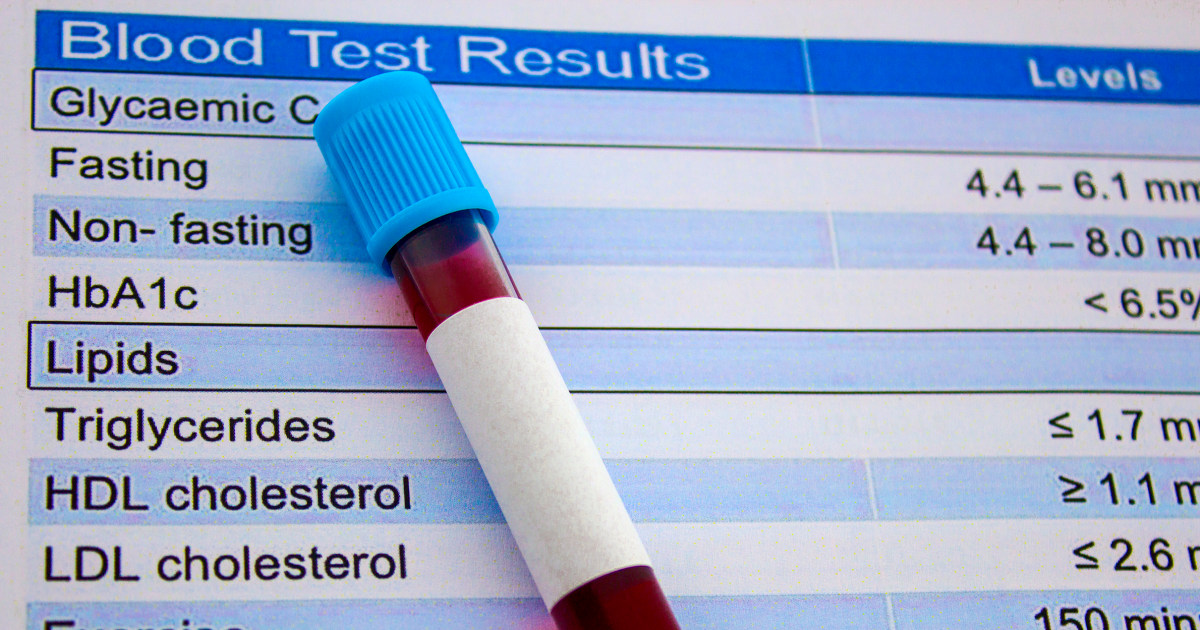
Nov. 8, 2025, 9:56 AM ESTBy Erika EdwardsAltering a single gene may help people lower dangerously high levels of cholesterol and other fats in the blood, according to new research presented Saturday at the annual meeting of the American Heart Association in New Orleans.The Phase 1 clinical trial of 15 people was intended to show whether the experimental gene-editing therapy was safe to use in humans.It was, the researchers said. It was also effective: One infusion of the medicine drove down low-density lipoprotein (LDL) cholesterol and triglycerides by about half — an effect that could decrease patients’ heart disease risk for the rest of their lives.“Frankly, if you’d asked me 15 years ago if we would be able to do this, I would have thought you were crazy,” said Dr. Steven Nissen, chief academic officer at the Cleveland Clinic’s Heart, Vascular & Thoracic Institute and one of the study’s investigators. “The results were pretty spectacular.”The experimental drug employs CRISPR, a gene-editing tool that makes cuts and changes to the body’s genetic code. In this case, it manipulates a single gene in the liver that normally boosts cholesterol levels. Unlike cholesterol-lowering drugs like statins that need to be taken daily, this approach is meant to work permanently after one dose. (CRISPR Therapeutics makes the drug and helped fund the study.)The research, which was also published Saturday in The New England Journal of Medicine, created a mix of excitement and concern among cardiologists.“It’s a good proof-of-principle study, meaning we know we can do it,” said Dr. Karol Watson, co-director of the Program of Preventive Cardiology at UCLA Health. “It doesn’t answer the question, ‘Should we do it?’”The CRISPR technique would be considered a lifelong change in a person’s genetic makeup. As such, its long-term safety is unknown. Ongoing studies will need to make certain that the therapy doesn’t cause harm to the liver, where its effects are primarily seen.“Here’s the thing,” Watson said. “We already have really safe, really good medications that lower LDL and triglycerides that are easy, once-daily oral medications. They will have to show us that CRISPR is very effective and safe. Long-term safety will be key.”According to Nissen, however, about half of people prescribed daily statins stop using them within a year, often because they have side effects. Moreover, the clinical trial only included patients who had tried, without success, to lower their cholesterol through standard approaches.Dr. Nishant Shah, a preventive cardiologist at Duke University Medical Center in Durham, North Carolina, said the technology is far from being used in everyday practice “for good reason.”“These are long-lasting effects,” he said, “so we really need to make sure we understand safety before we can provide these therapies.”But if the drug is deemed to be safe, Shah said, “the future is very promising to be able to take care of patients at high risk for cardiovascular disease.”Heart disease is the No. 1 cause of death for Americans. The accumulation of fats in the blood including LDL cholesterol and triglycerides can clog arteries and lead to heart attack and stroke.About a quarter of U.S. adults, 25.5%, have dangerously high LDL levels of more than 130 mg/dL, according to the AHA. LDL levels below 100 mg/dL are considered healthy for most adults.The drug targets a gene called ANGPTL3, which tells the body to make a protein that prevents the liver from breaking down cholesterol. Some people have naturally low-functioning versions of this gene, resulting in lifelong reductions in LDL cholesterol and triglyceride levels, according to the study. The drug is meant to mimic this effect, by turning off the gene so the liver is able to break down more cholesterol and fats.The 15 trial participants lived in Australia, New Zealand and the U.K. They were in their 50s and 60s. Thirteen were men. All had uncontrolled high LDL, triglycerides or a combination of the two.At the beginning of the trial, the median LDL cholesterol level was 155 mg/dL, and the median triglyceride level was 192 mg/dL, far above what’s considered healthy (below 150 mg/dL).Participants got different doses of the treatment, called CTX310, in a single infusion that lasted up to 4 ½ hours. A few people had side effects like nausea or back pain during the infusion. One volunteer had a temporary spike in liver enzymes that eventually returned to normal. And one person died for an unrelated reason months after the infusion, researchers said.The highest dose was given to four participants. In those people, LDL cholesterol decreased by 48.9%, and triglycerides fell by 55.2% within two months of treatment.“What’s nice about this target of ANGPTL3 is that it not only lowers the LDL, the bad cholesterol, but it also has some effectiveness on people who have very high triglycerides,” said Dr. Elizabeth McNally, a human geneticist and cardiologist at the Northwestern Feinberg School of Medicine in Chicago.“This could be helpful, but it really does remain to be seen how this is better than existing therapies,” said McNally, who was not involved with the current research.This isn’t the first time an experimental gene therapy has proved successful at driving down cholesterol in early studies. Two studies presented at the AHA meeting in 2023 went after genes to lower cholesterol levels. Larger studies on those treatments are ongoing.CRISPR technology is relatively new, with excitement growing for the tool since it was first used in 2012. (Its inventors won the Nobel Prize in medicine in 2020.) In 2023, the Food and Drug Administration approved the first CRISPR drug in the U.S., Casgevy, which treats sickle cell disease.Nissen said the next phase of clinical trials on the CTX310 treatment will include more patients, including people in the U.S. “We’ve got a ways to go, but this is the door to the future,” he said.Erika EdwardsErika Edwards is a health and medical news writer and reporter for NBC News and “TODAY.”Kaan Ozcan contributed.
Comments are closed.
Scroll To Top
  • Home
  • Travel
  • Culture
  • Lifestyle
  • Sport
  • Contact Us
  • Politics
© Copyright 2025 - Be That ! . All Rights Reserved