13 views

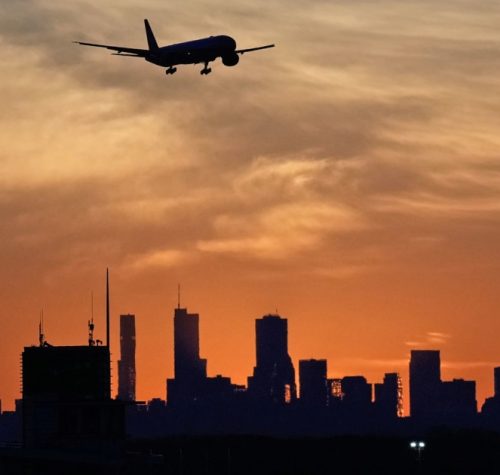
Nov. 12, 2025, 11:40 AM ESTBy Rebecca CohenFor the second day, the Federal Aviation Administration will continue to enforce its mandate to cancel 6% of flights at 40 high-traffic airports, as the U.S. House of Representatives is set to vote on a Senate-passed bill to end the government shutdown.As of Wednesday morning, 890 flights within the U.S. had been canceled and more than 750 had been delayed, according to flight tracking website FlightAware.United Airlines announced that it had already canceled 300 flights on Wednesday alone. Up to 8% of flights, or approximately 1,600 trips, could be cut on Thursday at the country’s busiest airports, including those in the New York area and in cities including Chicago, Atlanta, Denver, Phoenix, Dallas and L.A.The FAA began reducing flights from major airports by 4% on Friday and has gradually increased that percentage throughout the week. By this coming Friday, the FAA said, the reduction in flights is supposed to reach 10%.Delta CEO Ed Bastian said in an interview on CNBC on Wednesday that the airline cut 2,500 flights last week, which “is going to cost Delta a significant amount.”Transportation Secretary Sean Duffy spoke to reporters from Chicago O’Hare International Airport on Tuesday, warning that more trouble with air traffic could be on the way if the government does not reopen.“If the House does its work tomorrow, we’re well on our way” to getting air travel back to normal, Duffy said Tuesday.He noted, however, that if a bill is not passed quickly, disruptions to flight schedules will likely get worse before one of the busiest travel weeks of the year — Thanksgiving, when 31 million Americans are expected to fly. Some airlines are already talking about “grounding their planes” if the government doesn’t reopen soon, he said.Travelers walk though the terminal Wednesday at O’Hare International Airport in Chicago.Nam Y. Huh / APIt remains unclear how quickly the system can be righted once the government reopens, as flight schedules are typically laid out in advance. The FAA did not respond to a request for comment on this matter sent Tuesday afternoon.The airlines have said they think it could take a few days, once the government reopens and the FAA gives the green light to return to their normal cadence.David Seymour, the chief operating officer of American Airlines, told NBC News that the quick return to normal operations will depend on “working with the FAA to ensure that we maintain the safety of the system.”He added that “with Thanksgiving just around the corner, it’s going to be super important that we’re there, able to deliver to our customers.”Duffy said that aviation safety is at risk, and labor shortages are to blame for the flight cancellations and delays. If there are not enough employees to man the skies, the FAA must adjust the schedule to ensure planes in flight reach their destinations safely.But staffing at air traffic control towers improved on Tuesday — even though these essential government employees have now been working without pay for more than a month. These controllers will receive back pay when the shutdown ends and are expected to get about 70% of their missed pay within 48 hours of the government reopening, with the remaining 30% coming within that week.Still, travelers are increasingly frustrated that their plans are being thwarted.“I don’t trust any airports. I don’t trust any of this stuff anymore. I have totally lost faith,” one traveler told NBC News.Some airlines, like United, are doing what they can to alleviate customer stress.In a letter to the company, United CEO Scott Kirby wrote that the airline has given “our customers as much notice and flexibility as possible knowing the circumstances were ever-changing,” like publishing the list of cancellations on a dedicated website, using the app to alert customers of alternative flights to get them to their destinations and offering refunds to all customers — even if their flights had not been canceled.Also complicating matters is inclement weather this week.Freezing temperatures across two-thirds of the country and lake-effect snow are to blame for a cold, messy start to the week, and a heavy storm will bring rain and wind to the West Coast starting Wednesday. It is not clear how many of the flight cancellations and delays are the result of weather instead of the FAA mandate.Rebecca CohenRebecca Cohen is a breaking news reporter for NBC News Digital.Tom Costello and Kathryn Prociv contributed.

For the second day, the Federal Aviation Administration will continue to enforce its mandate to cancel 6% of flights at 40 high-traffic airports, as the U.S.

Source link

TAGS:
12 views

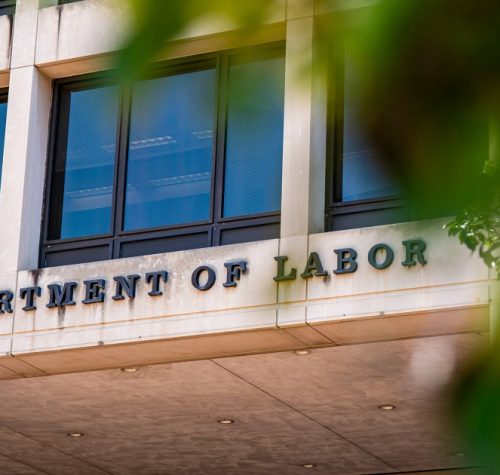
Savewith a NBCUniversal ProfileCreate your free profile or log in to save this articleNov. 12, 2025, 2:27 PM ESTBy Steve KopackThe White House said Wednesday that it was unlikely the federal jobs report or the Consumer Price Index reports that were due to be released in October would be published after the government shutdown ends.”The Democrats may have permanently damaged the federal statistical system with October CPI and jobs reports likely never being released, and all of that economic data released will be permanently impaired leaving our policymakers at the Fed flying blinds at a critical period,” White House Press Secretary Karoline Leavitt said.The statement caught investors and economists by surprise, especially Leavitt’s suggestion that the September report could be shelved altogether. As recently as Monday, analysts at Morgan Stanley wrote that they expected the jobs report to be published within 3 business days of the government reopening.Leavitt’s comment about the October CPI inflation report came as less of a surprise. Economists had already expected that it might not be released because federal workers who would have collected the data if the government had been open were not deployed after Oct. 1.The most recent jobs report issued before the shutdown began was the August jobs report, which was released on September 5. It was unclear Wednesday whether Leavitt meant that the jobs report for the month of October that was scheduled to be released on Nov. 7 would not be released, or September’s report which was due to be issued on Oct. 3. The BLS and Dept. of Labor did not immediately respond to requests for comments on Leavitt’s comments.Already, policymakers, market participants and economists expect a fog of data after the shutdown ends.Opinions on how the lack of data could impact the Federal Reserve’s next monetary policy moves are mixed. Some economists expect the Fed to make due with private data, such as the recently released private jobs report from ADP which showed that employers added 42,000 jobs in October. However, that slightly more optimistic private sector jobs report came after a series of official jobs reports from the Bureau of Labor Statistics showed a shakier labor market.The lack of government data “is a temporary state of affairs,” Fed Chair Jerome Powell said on Oct. 29.”If you ask me, ‘could it affect the December meeting?’ I’m not saying it’s going to, but… what do you do if you’re driving in the fog? You slow down,” he said.Steve KopackSteve Kopack is a senior reporter at NBC News covering business and the economy.

The White House says the federal jobs report and the CPI inflation data due for release in October may not be released at all.

Source link

TAGS:
12 views

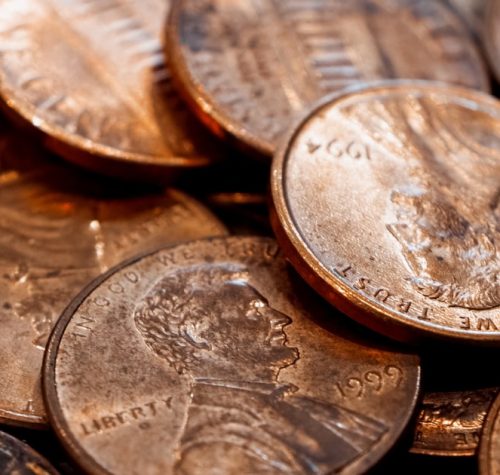
Nov. 12, 2025, 1:14 PM EST / Updated Nov. 12, 2025, 2:15 PM ESTBy Corky SiemaszkoThe penny dropped.The U.S. Mint struck the final 1-cent coin that will be used as legal tender on Wednesday, six months after the Trump administration announced that it would stop producing pennies because the cost of making them is almost four times more than they’re worth.From now on, the only new pennies the Mint releases will be collector versions that aren’t currency and will be produced “in limited quantities,” the agency said in a statement. Treasury Secretary Scott Bessent and Treasurer Brandon Beach were at the U.S. Mint in Philadelphia when the coin press punched out the historic final penny, the agency confirmed.There are still an estimated 250 billion pennies in circulation, the American Bankers Association said in October.But back in February, President Donald Trump said it made no fiscal sense to keep producing cents.“For far too long the United States has minted pennies which literally cost us more than 2 cents,” Trump wrote in an online post. “This is so wasteful! I have instructed my Secretary of the U.S. Treasury to stop producing new pennies.”Officially known as the cent, the first penny was struck in 1787 and had a sundial design that was dreamt up by Benjamin Franklin, one of the Founding Fathers.The U.S. Mint took over penny production in 1793, a year after Congress passed the Coinage Act.Like its predecessor, this penny was also made of copper. But it was slightly bigger and came to be known as the “Flowing Hair” cent because it had a woman representing liberty on one side and 15 chain links on the other side.It wasn’t until 1909 that the woman was replaced by President Abraham Lincoln in profile to mark what would have been his 100th birthday.The Mint said that ending penny production will save taxpayers about $56 million annually. And it will continue to be legal tender for as long as its around.That said, the penny is not worth much. You can’t even buy penny candy, which made its debut in 1896, with just a penny.But its cultural value is incalculable.Stingy people still “pinch pennies.” An unexpected windfall is still referred to as “pennies from heaven.” And a fiscal planner who is “penny wise and pound foolish” should be avoided.But after Wednesday, the penny once saved and cherished will be the penny spurned, rather than earned.Corky SiemaszkoCorky Siemaszko is a senior reporter for NBC News Digital.

The penny dropped

Source link

TAGS: