• Police seek suspects in deadly birthday party shooting
  • Lawmakers launch inquires into U.S. boat strike
  • Nov. 29, 2025, 10:07 PM EST / Updated Nov. 30, 2025,…
  • Mark Kelly says troops ‘can tell’ what orders…

Be that!

contact@bethat.ne.com


Be That ! Menu   ≡ ╳
  • Home
  • Travel
  • Culture
  • Lifestyle
  • Sport
  • Contact Us
  • Politics Politics
☰

Be that!

Nov. 22, 2025, 6:00 AM ESTBy Arata Yamamoto and Jay GanglaniTOKYO — As Japan’s first female prime minister, Sanae Takaichi has broken new ground in a country that struggles with gender equality. But she has quickly run up against a tradition that may be immovable.Trophies for sumo wrestling, Japan’s national sport, are sometimes presented by the country’s top leader — most recently in January, when Shigeru Ishiba, the prime minister at the time, awarded the winner’s trophy at the New Year Grand Sumo Tournament in Tokyo.But awkward questions arose ahead of the Kyushu Grand Sumo Tournament, which concludes Sunday in the Japanese city of Fukuoka. Takaichi is prohibited from entering the ring according to the rules of sumo, which consider women impure.Takaichi will have a chance to sidestep the issue as the Japanese leader is expected to attend the G20 summit in South Africa this weekend amid a diplomatic spat with China. But the dilemma could resurface during the New Year’s tournament in Tokyo.In Japan, sumo is not just a sport but a 1,500-year-old tradition that is held sacred in the nation of over 100 million people. It has deep roots in Shinto, Japan’s Indigenous religion.Experts suggested Takaichi, a hard-line conservative elected last month whose policies are not seen as particularly pro-women, is likely to avoid the issue altogether so as not to challenge tradition, and send another high-ranking government official instead.“She doesn’t want to upset her supporters or conservatives,” said Hiromi Murakami, an expert on Japanese politics at Temple University in Japan.“They don’t want to even see a discussion around the topic,” she said.Japanese Prime Minister Sanae Takaichi in South Korea on Nov. 1.SeongJoon Cho / Bloomberg via Getty ImagesMinoru Kihara, the Japanese government’s top spokesperson, said last week that Takaichi “holds the view that Japan’s sumo culture is a traditional art form that should be cherished.” She “intends to respect the traditions of sumo culture,” he later told reporters in Tokyo.Reached for comment this week, the Japan Sumo Association said it had not received any request from Takaichi’s office regarding her involvement. The association told the Asahi Shimbun newspaper this month, “We believe it is our mission to pass down the traditional culture of sumo.”This is not the first time there have been questions as to whether a high-ranking female official would be allowed to enter the sumo ring, also known as the dohyo.In 1990, Mayumi Moriyama became Japan’s first female chief Cabinet secretary, who often represents the government at sumo trophy ceremonies. The sumo association did not allow her to do so.The association rejected another request in 2000 by Japan’s first female governor, Fusae Ohta, to enter the sumo ring at a tournament in the city of Osaka. She ultimately presented the trophy on a walkway next to the dohyo.In 2018, a female mayor, Tomoko Nakagawa of the city of Takarazuka, was denied a request to make a speech in the ring. That same year, the association apologized after two women were ordered out of the ring when they rushed to the aid of a mayor who had collapsed inside it.Such incidents underscore the challenges that continue to face women in Japan, which ranked 118th out of 148 countries in the World Economic Forum’s 2025 Global Gender Gap Report.Sumo wrestling has also proved popular on the rare occasion a competition is held outside Japan. Last month, tickets sold out for the Grand Sumo Tournament at London’s Royal Albert Hall, which hosted the event for the first time in 34 years.“It’s quite interesting that they went to the U.K.,” Murakami said. “If there’s a female political leader who wants to give the trophy, what would happen then?”Arata Yamamoto reported from Tokyo, and Jay Ganglani from Hong Kong.Arata YamamotoArata Yamamoto has been an NBC News producer in Tokyo since 1993.Jay GanglaniJay Ganglani is NBC News’s 2025-26 Asia Desk Fellow. Previously he was an NBC News Asia Desk intern and a Hong Kong-based freelance journalist who has contributed to news publications such as CNN, Fortune and the South China Morning Post.

admin - Latest News - November 23, 2025
admin
10 views 13 secs 0 Comments


TOKYO — As Japan’s first female prime minister, Sanae Takaichi has broken new ground in a country that struggles with gender equality.


Source link

TAGS:
PREVIOUS
Trump says 28-point Ukraine peace plan isn’t his ‘final offer’
NEXT
Women protest gender violence in South Africa at G20
Related Post
October 30, 2025
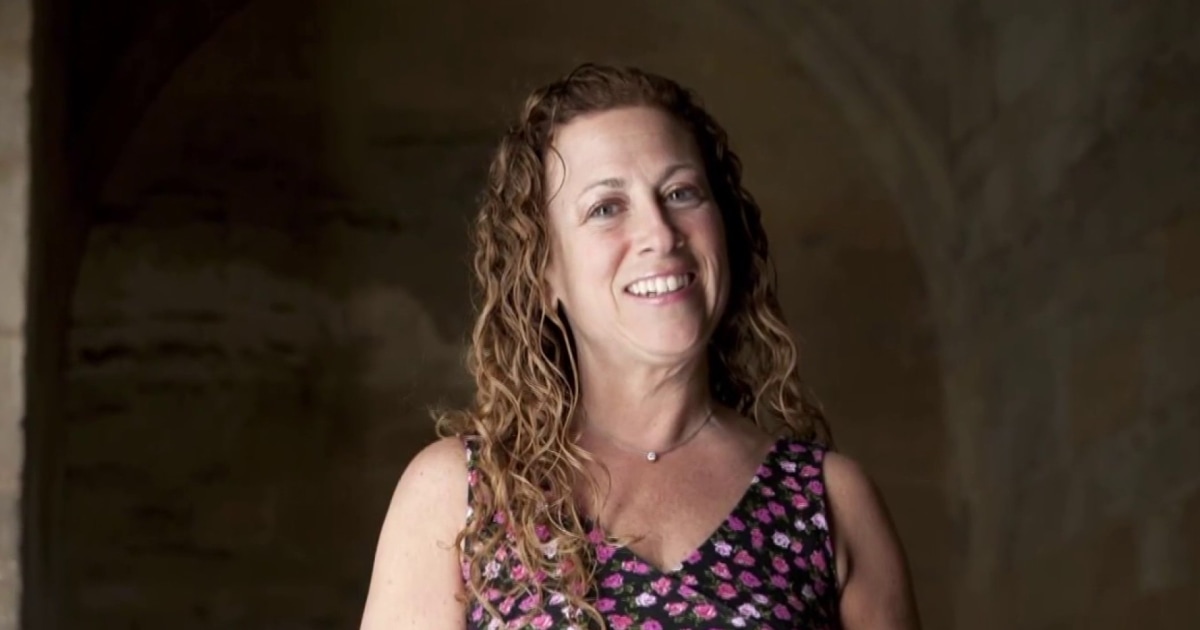
Author Jodi Picoult pushes back after Indiana high school cancels musical based on her book
November 6, 2025
Nov. 5, 2025, 2:25 PM ESTBy Steve KornackiBetween the two gubernatorial elections on Tuesday, Virginia was supposed to be the lopsided one — and it was, with Democrat Abigail Spanberger crushing Republican Winsome Earle-Sears by 15 points. But New Jersey looked like it was going to be a different story. The polling was competitive, and Republicans had nominated a battle-tested candidate, Jack Ciattarelli, who’d nearly won the governorship four years earlier. Recent momentum was on the GOP’s side, too, with President Donald Trump coming within 6 points of Kamala Harris there last year — a giant improvement from the 16-point Jersey drubbing he’d suffered in 2020. And Democrats were privately sharing alarm that their nominee, Mikie Sherrill, seemed to be wilting under the spotlight. At the very least, this was going to be a close race, one that Republicans would be able to point to as proof that the national political climate wasn’t that bad for them. There was talk of New Jersey shifting away from blue bastion and into swing-state status. An outright Ciattarelli win didn’t feel out of reach.But it was all a mirage. When the polls closed, the rout was on, and Sherrill walked away with a 13-point win, nearly matching Spanberger’s margin in Virginia.It’s a concerning outcome for Republicans, because the two main ingredients in the Sherrill landslide have potential ramifications that extend well beyond the borders of New Jersey.First, there are the well-to-do suburbs and bedroom communities. These are traditionally Republican areas populated with college-educated, white-collar professionals who are deeply uncomfortable with Trump. When he nearly won four years ago, Ciattarelli clawed back many of the suburban voters his party had been shedding in the Trump era. This time around, with Trump back in the White House, they were cross-pressured, but their verdict was decisive: They wanted to vote against the party of Trump.Consider Hunterdon, Morris and Somerset counties, which have the highest median incomes and the highest concentrations of white residents with college degrees in New Jersey. In each one, Ciattarelli’s margin was 12 to 14 points worse than in his 2021 campaign. But his numbers in these counties were in line with Trump’s showing last year:In fact, Ciattarelli fared worse than Trump in Morris, although some of this could be due to it being Sherrill’s home county.But what about Ciattarelli’s home base of Somerset, where he was buried even worse than Trump? It demonstrates the motivation of anti-Trump suburbanites now that he’s back in office, and it suggests that further GOP erosion is possible — in New Jersey and in similar areas around the country.Simply put, there were a lot of suburbanites who were comfortable with Ciattarelli when Trump was an ex-president but who look like they will shun anyone in the GOP column as long as he’s president. The other ingredient in Sherrill’s win involves nonwhite voters. It was with these voters — Hispanic and Asian American voters in particular — that Trump made his biggest gains in 2024. These voters had not backed Republicans in the past, but Trump’s surprising inroads raised hope among Republicans — and trepidation among Democrats — that a broader shift might be underway, not just in New Jersey but nationally.In this way, Ciattarelli was a test case: Could these Trump gains transfer to a non-Trump Republican running without Trump on the ballot?The answer is a resounding no. In New Jersey municipalities that are at least 60% Hispanic (and where results are currently available), all of Trump’s 2024 gains were washed away Tuesday night:Similar results can be seen in heavily Asian American areas in Middlesex County, where Trump also made notable gains last year. Had Ciattarelli combined his suburban performance from 2021 with Trump’s 2024 inroads among nonwhite voters, Ciattarelli would have won. And if he could have retained at least some of both, the race would at least have been tight.That would have given Republicans a nice post-election talking point, obviously, but it also would have been a genuine source of midterm optimism for them. It would have shown that the anti-Trump suburban passions were cooling and that partywide growth with nonwhite voters was continuing apace.But Ciattarelli got neither. And as a result, he got clobbered.Steve KornackiSteve Kornacki is the chief data analyst for NBC News.
November 15, 2025
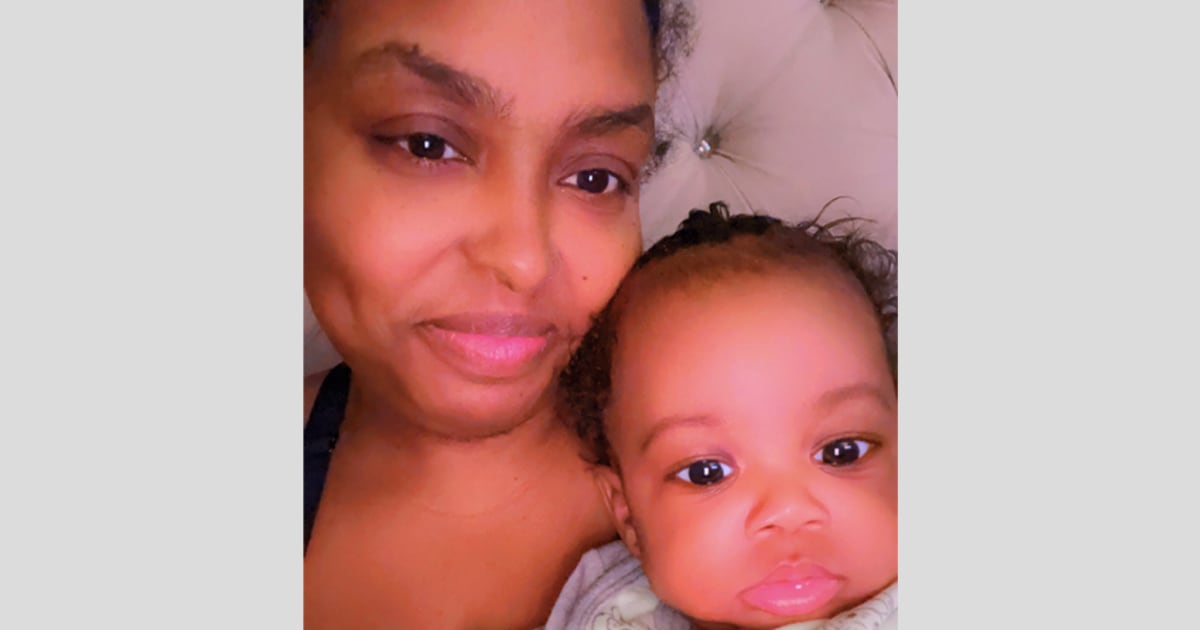
Nov. 15, 2025, 6:00 AM ESTBy Elizabeth CohenSome medical centers are taking a dramatic step to save mothers and babies after studies have shown too many doctors fail to follow guidelines for preventing pre-eclampsia, a potentially deadly pregnancy complication.These hospitals now recommend that all of their pregnant patients take low-dose aspirin. Studies show the drug is safe and can help prevent pre-eclampsia, a condition characterized by high blood pressure, and other pregnancy dangers.Last week, the March of Dimes, a nonprofit research and advocacy group focused on maternal and infant health, essentially blessed this approach, saying it may be “medically reasonable” for some medical practices to offer all of their pregnant patients the drug.The move could pave the way for more doctors to recommend low-dose aspirin to all of their pregnant patients, much as they do already with prenatal vitamins.Pre-eclampsia, a leading cause of death among mothers and babies, affects about 1 in every 25 pregnancies in the U.S. Black mothers and women with high blood pressure or diabetes, or who are 35 or older, among other factors, are at increased risk.Rates of the disease have climbed 25% in the last two decades in the United States, according to the Preeclampsia Foundation.The March of Dimes report says that in clinical trials, low-dose aspirin reduces the risk of pre-eclampsia by 15%, and also preterm birth by 20% and perinatal mortality — death of a fetus late in pregnancy or a baby in the first week of life — by 20%.More than a decade ago, the U.S. Preventive Services Task Force recommended that pregnant women at increased risk for pre-eclampsia take low-dose aspirin, optimally from between 12 and 16 weeks of pregnancy until delivery, to prevent the complication. The American College of Gynecologists and Obstetricians has issued similar guidance — but studies show many doctors still don’t follow it.The new March of Dimes guidelines say that if most pregnant patients in a practice are at increased risk of pre-eclampsia, it’s reasonable to recommend low-dose aspirin to all of its pregnant patients.Some obstetricians applauded the new March of Dimes report, which is co-authored by the California Maternal Quality Care Collaborative, saying it could decrease the rates of pre-eclampsia.“A statement by such well-respected, science-backed organizations could really move the needle,” said Dr. Adam Lewkowitz, a pre-eclampsia expert and an assistant professor of obstetrics and gynecology at the Warren Alpert Medical School of Brown University.‘Nobody ever mentioned’ low-dose aspirinAbout five weeks before her due date, Angela Jones suddenly started speaking in gibberish and her vision blurred. On her way to the hospital, she had seizures and doesn’t remember delivering her baby by emergency C-section.If Jones’ doctors had followed guidelines from the American College of Obstetricians and Gynecologists, they would have recognized that because Jones was at increased risk for pre-eclampsia, she should have been taking low-dose aspirin during her pregnancy.“Nobody ever mentioned anything about low-dose aspirin to me,” said Jones, who lives in Downey, California, and shared her story with the California Maternal Quality Care Collaborative. “I didn’t know you could have seizures. I didn’t know you could have a stroke, or even die from preeclampsia.”Angela Jones was at increased risk of pre-eclampsia during her pregnancy.Courtesy of Angela JonesThe groups offer a screening tool so doctors can determine which of their patients should take the drug, and Jones fit several criteria: she’s Black, obese, and this was her first baby in more than 10 years.A complicated, time-consuming formulaMany obstetricians say women like Jones get missed because doctor’s appointments, which are often just 15 minutes long, are too jam-packed to fit in a complex assessment of a patient’s risk factors.A 2022 study from the Duke University School of Medicine looked at babies born in the U.S. in 2019, and found that 85.7% of the mothers were eligible for low-dose aspirin during their pregnancies, but according to the Society for Maternal-Fetal Medicine, less than half of pregnant patients who should be taking the drug are taking it.Low-dose aspirin can prevent pre-eclampsia by improving blood flow to the uterus, according to the March of Dimes. While some studies have shown an increased risk of bleeding for the mother, the March of Dimes said a review of 21 randomized controlled trials showed no increased risk of bleeding, and the group says there’s no evidence of harm to mother or baby.Because the formula to determine which pregnant women should get low-dose aspirin can be complicated and time-consuming, a growing number of major hospitals have begun recommending it to all of their pregnant patients.Dr. David Hackney, the division chief of maternal-fetal medicine at University Hospitals Cleveland Medical Center, said the current guidelines are onerous. “It can all look good on paper, but then there’s the way things work out in the real world,” Hackney said.Because of that, University Hospitals began recommending low-dose aspirin to all pregnant women a few months ago, he said.The Cleveland Clinic has made the same move, said Dr. Adina Kern-Goldberger, an assistant professor at the Cleveland Clinic Lerner College of Medicine.Parkland Health in Dallas, one of the busiest maternity hospitals in the U.S., started the practice three years ago, according to Dr. Elaine Duryea, chief of obstetrics at Parkland and an associate professor of obstetrics and gynecology at UT Southwestern Medical Center. She said her team is currently tracking pre-eclampsia rates to see whether the policy has made a difference.At all these practices, patients can opt out of taking the medicine if they prefer, but obstetricians say most do not.Other medical centers have been less enthusiastic about low-dose aspirin.Northwell Health, the largest health care system in New York, does not universally recommend low-dose aspirin for all pregnant patients, according to Dr. Matthew Blitz, director of clinical research for the division of maternal-fetal medicine at Northwell Health.“The idea is to do no harm, so giving it to everyone, including people who don’t need it, is still a big concern,” Blitz said.Still, he noted that the screening tool is “extremely time-consuming” and it’s possible that Northwell might eventually decide to recommend low-dose aspirin for all pregnant patients.Jones, the mom in California, said she hopes the new report will make a difference.Last year, she became pregnant again, and even though the guidelines say she should have received aspirin — a history of pre-eclampsia is one of the criteria — she says her doctors didn’t suggest it until she was six months along, many weeks later than recommended.She developed pre-eclampsia again, with dangerously high blood pressure and blurry vision.“Doctors need to tell people about this,” she said. “It makes me angry — like what the heck is going on in this system?”Elizabeth CohenElizabeth Cohen is a Peabody Award-winning journalist and a health contributor to NBC News. She is the author of the book “The Empowered Patient.” 
November 11, 2025
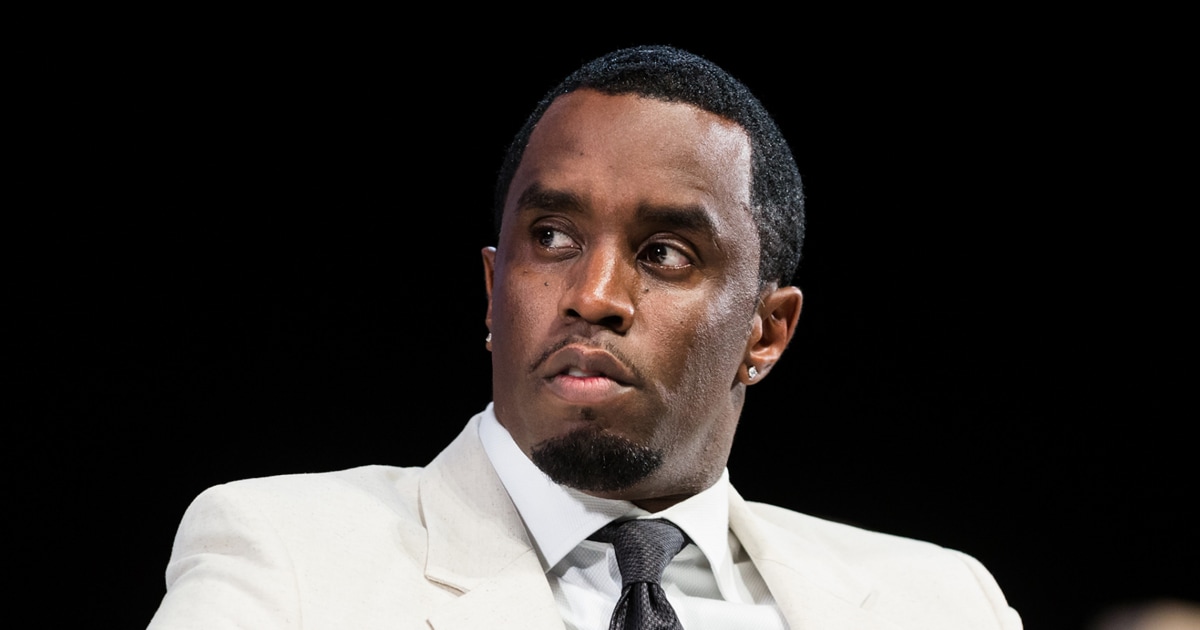
Savewith a NBCUniversal ProfileCreate your free profile or log in to save this articleNov. 11, 2025, 2:30 AM ESTBy Adam Reiss and Chloe MelasSean Combs is participating in a drug rehabilitation program behind bars that could reduce his sentence by as much as a year, his spokesman Juda Engelmayer said.The founder of Bad Boy Entertainment is committed to sobriety, healing and trying to set an example for others, Engelmayer said.“Mr. Combs is an active participant in the Residential Drug Abuse Program (RDAP) and has taken his rehabilitation process seriously from the start,” Engelmayer said. “He is fully engaged in his work, focused on growth, and committed to positive change.”A federal inmate locator indicates Combs is expected to be released in May 2028. Completing the rehab program could mean an earlier release, though he would still face five years of supervision, as well as drug testing and mental health meetings prescribed under his sentence, which he’s appealing.Prosecutors had sought a sentence of more than 11 years. The disgraced music mogul was sentenced Oct. 3 to 50 months in prison following his conviction on two counts of transporting people for prostitution. He received credit for 14 months of time served before sentencing.The rehabilitation program is provided at Federal Correctional Institution Fort Dix — a low-security federal prison in New Jersey — where Combs arrived on Oct. 30th, Engelmayer said. Combs has been accepted into the program and is working in the chapel library there, the spokesman said.“He works in the chapel library, where he describes the environment as warm, respectful, and rewarding,” Engelmayer said.News of Combs participating in the rehab program was first reported by the New York Times.Combs during his sentencing on Oct. 3.Jane Rosenberg / ReutersDuring trial, ex-girlfriend Cassie Ventura testified that Combs used violence to coerce her into participating in so-called freak-offs, drug-fueled sex parties with sex workers he hired. Afterward, she testified, she felt “disgusted” and “humiliated.”At Combs’ sentencing, U.S. District Judge Arun Subramanian said Combs “abused the power and control with women you professed to love.””You abused them physically, emotionally and psychologically,” he said.Combs apologized to Ventura and another former girlfriend, describing his actions as “disgusting, shameful and sick.”After his conviction in July, Combs’ legal team reached out to President Donald Trump to seek a pardon, a source close to the defense said in early August.On Aug. 1, the president said in an interview with Newsmax that he was previously “very friendly” with Combs, but that Combs “was very hostile” when Trump ran for office. Asked if he was suggesting he wouldn’t pardon Combs, Trump said, “I would say so.”The music executive, meanwhile, is currently in a nine-person room in a large unit that houses 200 people, Engelmayer said.Combs has restarted “Free Game with Diddy,” an entrepreneurial class to help other inmates become entrepreneurs, value their self-worth and become productive citizens, Engelmayer said. Combs ran the program while he was at the Metropolitan Detention Center in Brooklyn, he said.Efforts to reach a spokesman for the Bureau of Prisons over the last several days have been unsuccessful due to the government shutdown.Adam ReissAdam Reiss is a reporter and producer for NBC and MSNBC.Chloe MelasChloe Melas is an entertainment correspondent for NBC News. Dennis Romero contributed.
Comments are closed.
Scroll To Top
  • Home
  • Travel
  • Culture
  • Lifestyle
  • Sport
  • Contact Us
  • Politics
© Copyright 2025 - Be That ! . All Rights Reserved