Is it okay to genetically engineer wild plants and animals? The International Union for Conservation of Nature voted in favor of it this week.
Source link
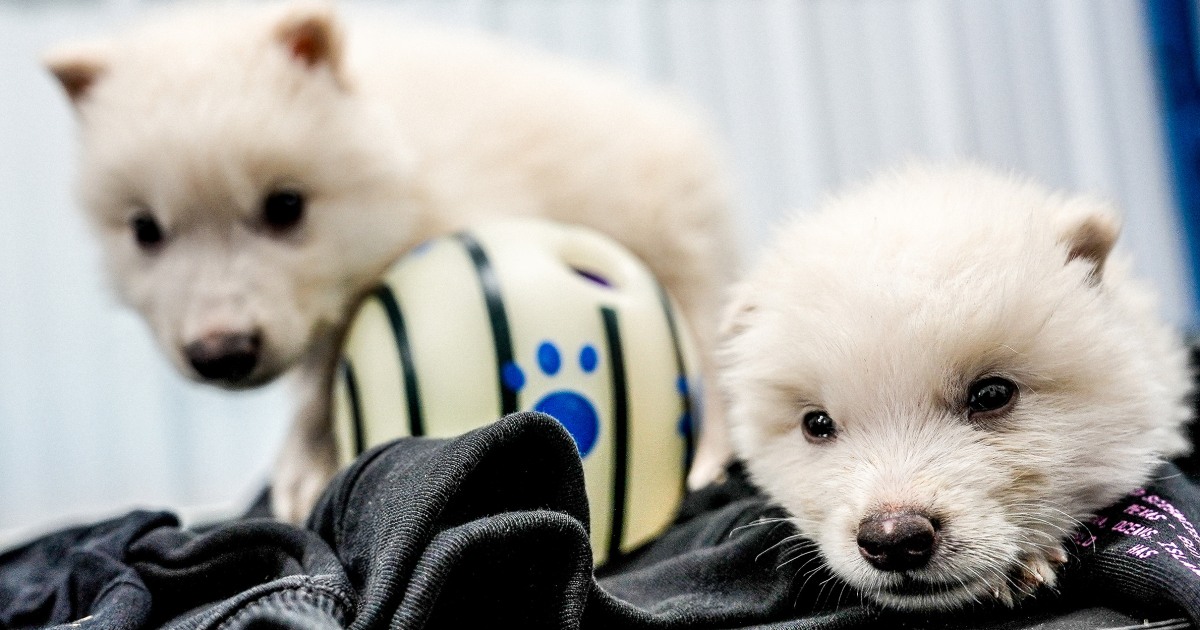
Oct. 17, 2025, 12:58 PM EDTBy Evan BushAt a meeting of top conservation groups this week, a bioethics question took center stage: Should scientists be allowed to tinker with the genes of wild plants and animals?The tentative consensus so far seems to be yes.In a vote Tuesday, the International Union for Conservation of Nature (IUCN) approved further exploration of the use of genetic engineering tools to aid in the preservation of animal species and other living organisms. The decision is not a full-throated endorsement of the practice, but it could nonetheless have wide implications. Researchers are already pursuing projects that involve changing some species’ DNA. Scientists are genetically modifying mosquitoes to reduce transmission of diseases like malaria, for example, and synthesizing horseshoe crab blood, which is used in drug development. Controversial efforts to “de-extinct” archaic creatures — such as the so-called “dire wolf” that a biosciences company announced it had revived this spring — fall under the umbrella, as well. So do possibilities like modifying organisms to help them adapt to a warming world, which are on the table but further off in development.