
23 views

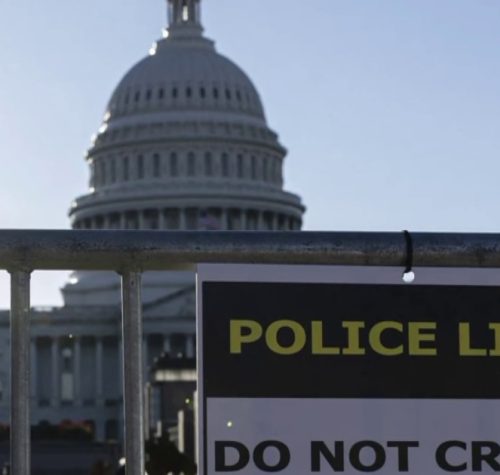
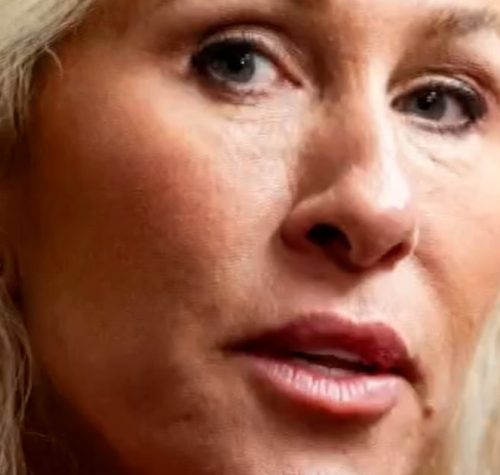
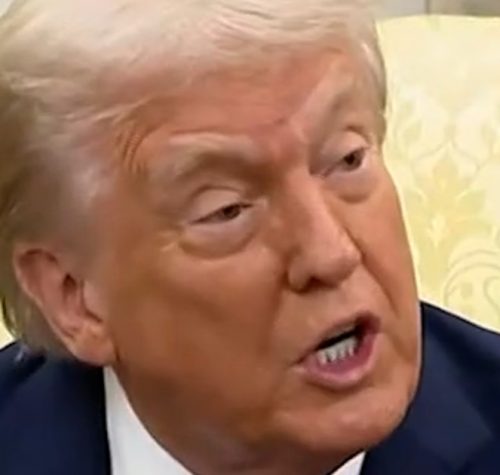
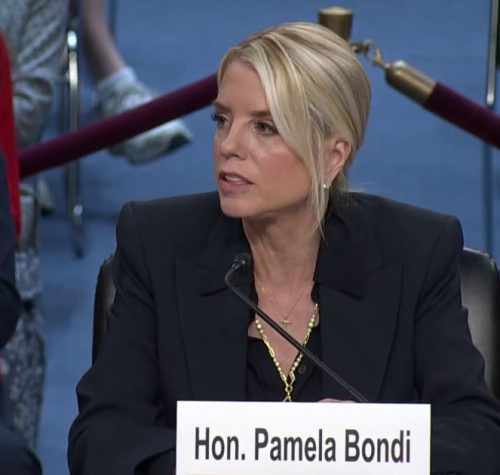
Oct. 7, 2025, 5:37 PM EDTBy The Politics DeskWelcome to the online version of From the Politics Desk, a newsletter that brings you the NBC News Politics team’s latest reporting and analysis from the White House, Capitol Hill and the campaign trail.In today’s edition, Steve Kornacki digs into why a blue wave doesn’t appear to be materializing (yet) for Democrats in next year’s midterm elections. Plus, the government shutdown stretches into a 7th day. Sign up to receive this newsletter in your inbox every weekday here.— Adam WollnerThe signs of a blue wave aren’t there like they were in Trump’s first termAnalysis by Steve KornackiThe blue wave that interrupted President Donald Trump’s first term could be seen coming from far away. This time around, the signs are not so clear.By the fall of 2017, Trump’s first year in office, Democrats had opened a sizable advantage in the generic congressional ballot. On this day in 2017, according to the Real Clear Politics polling average, the Democratic lead was 7.8 points. It’s a margin that would more or less hold over the ensuing year, culminating in a 40-seat gain in the 2018 midterms that gave Democrats control of the House.Today, by contrast, the RCP average has Democrats up by only 3 points in the generic ballot. This comes even as Trump’s overall job approval rating sits in the low- to mid-40s — similar to his first term — and as he continues to accrue negative ratings for his handling of the economy and inflation.Views of Trump’s opposition, though, look very different today than they did eight years ago. In the run-up to the 2018 midterms, Democrats fared consistently — and significantly — better than the Republicans on party image. This time around, it’s a different story.Earlier this year, Democrats registered their lowest positive rating in the history of our NBC News poll, which dates back more than three decades. Similar findings have emerged in other surveys. A significant factor is self-identified Democrats expressing unfavorable views of their own party. This internal frustration — combined with other data that shows these voters want a more confrontational posture from their party’s leaders — helps explain why Democrats in Washington have embraced a government shutdown.This also raises the question of what other new tactical or ideological steps Democratic leaders may take to appease their base — and whether the wider electorate will be receptive to them. In Trump’s first term, independents took a less negative view of Democrats than Republicans. Now, it’s more of a wash.Of course, to win back the House next year, Democrats don’t need a wave; a net gain of just three seats will do the trick. But Republicans may end up effectively raising that number to the high single digits through mid-decade redistricting efforts. Typically, the opposition party can count on a midterm boost by serving as the protest vehicle for whatever dissatisfaction voters want to express with the White House. But in today’s atmosphere of intense polarization, there may be some voters who want to express their displeasure with the opposition party, too.Shutdown, Day 7: Trump dials up the pressure as MTG breaks with her party on ObamacareThe White House raised the stakes of the government shutdown as it entered its seventh day with a draft memo arguing that furloughed federal workers are not entitled to back pay, White House press secretary Karoline Leavitt told NBC News.The memo, first reported by Axios, comes despite the Office of Personnel Management’s own September guidance, which said federal workers will receive retroactive pay after the shutdown lifts.The memo also clashes with a 2019 law that requires back pay for federal workers. The law, called the Government Employee Fair Treatment Act of 2019, says all federal employees, whether furloughed or deemed essential and working without pay, must receive back pay after a shutdown ends.Asked about the White House’s position on back pay, President Donald Trump told reporters, “I would say it depends on who we’re talking about.” Trump also likened the shutdown to a “kamikaze attack“ by Democrats.The idea of denying back pay prompted some intraparty backlash, with Sen. Thom Tillis, R-N.C., calling it a “horrible message” and a “bad strategy.”Speaking of GOP divisions: Rep. Marjorie Taylor Greene, R-Ga., broke with her party by calling for action on expiring Obamacare subsidies to avoid premium hikes, Sahil Kapur reports. In a long post on X, Greene, the far-right MAGA firebrand, made it clear she was not in Congress when the 2010 law passed.“Let’s just say as nicely as possible, I’m not a fan,” she wrote. “But I’m going to go against everyone on this issue because when the tax credits expire this year my own adult children’s insurance premiums for 2026 are going to DOUBLE, along with all the wonderful families and hard-working people in my district.” “Not a single Republican in leadership talked to us about this or has given us a plan to help Americans deal with their health insurance premiums DOUBLING!!!” Greene added.Asked by our colleague Ryan Nobles about Greene’s comments, House Speaker Mike Johnson, R-La., said she doesn’t sit on the committees of jurisdiction and “she’s probably not read in on some of that.” He added that “everybody’s entitled to their opinion,” but “not everyone knows everything.” At the airport: Flight delays across the U.S. stretched into a second day as the Federal Aviation Administration braced for more airport staffing shortages amid the shutdown, Matt Lavietes and Corky Siemaszko write. Maya Rosenberg and Jay Blackman also note that federal funding for air travel in rural areas will run out Sunday if the shutdown continues. In the states: Some governors are drawing on state funds to keep popular national parks open for tourists, Raquel Coronell Uribe reports. 🗞️ Today’s other top stories⚖️ SCOTUS watch: The Supreme Court appeared poised to back a free speech challenge to a Colorado law that bans conversion therapy aimed at young people questioning their sexual orientations or gender identities in a case likely to have national implications. Read more →🪑 On the hot seat: Attorney General Pam Bondi faced questions from senators about National Guard deployments and immigrant arrests in U.S. cities, the indictment of former FBI Director James Comey, and files related to Jeffrey Epstein. Read more →🇨🇦 Oh, Canada: Trump said there’s “mutual love” but “natural conflict” between the U.S. and Canada as he met with Canadian Prime Minister Mark Carney at the White House. Read more →📱 Sprint to November: In the final weeks of the Virginia governor’s race, Republican Winsome Earle-Sears is attempting to tie Democrat Abigail Spanberger to the uproar over the violent texts that surfaced from the Democratic nominee for attorney general in the state. Read more →🗳️ If it’s Tuesday: Voters are heading to the polls for a special primary election to fill former Rep. Mark Green’s seat in Tennessee’s deep-red 7th District. Trump stepped in at the last minute with an endorsement of Matt Van Epps, the former commissioner of the state Department of General Services. Read more →➡️ Explainer: Trump suggested numerous times this week that he could invoke the sweeping presidential powers granted by the Insurrection Act “if necessary.” Here’s what that is →That’s all From the Politics Desk for now. Today’s newsletter was compiled by Adam Wollner.If you have feedback — likes or dislikes — email us at politicsnewsletter@nbcuni.comAnd if you’re a fan, please share with everyone and anyone. They can sign up here. The Politics Desk    

Welcome to the online version of From the Politics Desk, a newsletter that brings you the NBC News Politics team’s latest reporting and analysis from the White House, Capitol Hill.

TAGS:
24 views

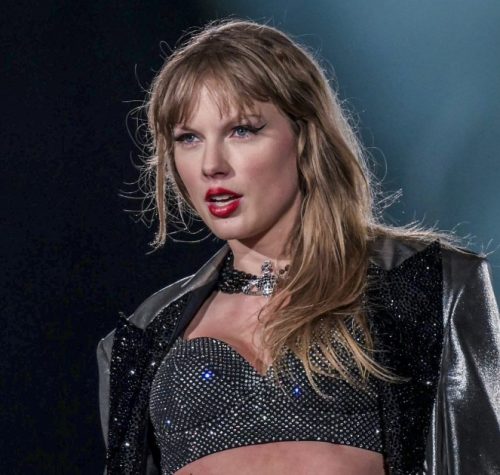
Oct. 7, 2025, 4:42 PM EDTBy Angela YangTaylor Swift’s fans are used to scouring her videos and social media posts for hidden messages about her albums.But after the release of “The Life of a Showgirl,” some Swifties have said their hunt for clues led them down a rabbit hole of speculation around whether artificial intelligence was used in a series of promotional videos for the album.The 12 videos were part of a promotional scavenger hunt released by Google, which sent fans on a search for 12 orange doors hidden across 12 cities (for her 12th album) around the world. On each of the doors was a QR code revealing video clues to the puzzle, which pieced together a phrase that fans needed to search through Google. The hunt ultimately led to the lyric video for the album’s opening track, “The Fate of Ophelia.”While deciphering the video clues, some fans online said they noticed wonky text, muddled details and objects that disappear, or shape-shift against the laws of physics. Using the hashtag #SwiftiesAgainstAI on X, they began accusing the videos of utilizing generative AI. Swift has not personally promoted the orange door campaign, and it’s unclear how involved she was in the production of the clips, which were also briefly posted to her YouTube account as Shorts. On Swift’s YouTube channel, the shorts now appear to be unavailable. Swift’s recently dropped music video for “The Fate of Ophelia,” and 12 lyric videos for the “Showgirl” album, are all still up on her channel. None use AI.A representative for Swift did not provide comment for the story. Google did not respond to a request for comment.Swift, a victim of AI deepfakes, has long expressed her support for artists’ rights to own their work, which some of her fans online said is what made them so disappointed when they saw the promotional videos, as AI systems are often trained on datasets containing copyrighted work.Some fans pointed out that Swift appeared to use hand-painted props on the set of the music video for “The Fate of Ophelia,” noting that the music icon has long been very thoughtful about the presentation of her work. “When so much effort has been put into the rest of the album rollout … I think it is very, very lazy and disappointing to use generative AI to create videos a human being very much could have done,” Rachel Lord, a self-described fan of Swift, said in a TikTok video. “I think it’s very important that we as fans talk about how much we disagree with this, because if we don’t talk about it, they’re just going to continue with it,” she said, emphasizing that she’s not “hating on Taylor.”The controversy arose amid some mixed reviews for Swift’s latest album, which topped Spotify charts and sold 2.7 million copies in its first day of release. While many have praised the upbeat bops on “The Life of a Showgirl,” others have said the tracks lack the kind of lyricism they have come to expect of Swift.Swift’s diehard fan base has traditionally come to her defense amid any backlash. The AI speculation and the subsequent criticism, however, appeared to come just as much from her fans as her detractors.In a Reddit post about the orange door promo clips in the popular r/TaylorSwift community, a moderator wrote: “The videos are most likely AI generated. We typically do not allow AI content, but given that this is somehow related to the album push we are clearly going to keep this thread going.”Several are calling on Swift — who has not commented on the AI speculation — to make a statement about the matter.“Dear @taylornation13, We expected a decent album promo but we noticed that the promotion on cities were made by A.I,” wrote one X user who describes themself as a “taywarrior” and Swiftie in their bio. The post had been viewed more than 1.3 million times as of Tuesday afternoon.“A.I has a large impact on the environment and wildlife because of its LARGE water consumption and more,” the user added. “Please learn better next time. #SwiftiesAgainstAI.”The use of AI in media production has been a polarizing subject in the entertainment industry. As generative AI tools become increasingly integrated into film, TV and music production, artists have railed against the technology due to concerns over labor displacement as well as AI companies’ scraping of human-made work without consent or compensation.Outside of vocal pushback from artists and studios, AI image, video and music generators have been hit with numerous copyright infringement lawsuits from authors, artists, news outlets, mass media companies and music labels.Some of Swift’s defenders have argued that the seemingly AI-generated quirks in the videos might be explained with computer-generated imagery. Others have insisted that CGI would not cause objects to morph, blur or disappear when the camera moves.Swift has not condemned the use of AI usage as a whole, but she has previously condemned its misuse. In a 2024 Instagram post endorsing Kamala Harris for president, Swift addressed President Donald Trump’s attempt to tout an AI image of her.“Recently I was made aware that AI of ‘me’ falsely endorsing Donald Trump’s presidential run was posted to his site,” Swift wrote. “It really conjured up my fears around AI, and the dangers of spreading misinformation.”Angela YangAngela Yang is a culture and trends reporter for NBC News.

Taylor Swift’s fans are used to scouring her videos and social media posts for hidden messages about her albums

Source link

TAGS:
27 views

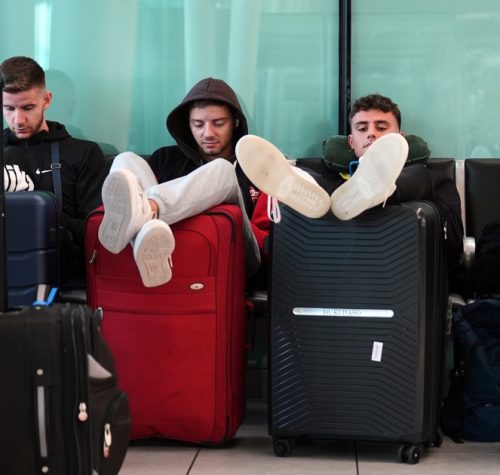
Oct. 7, 2025, 11:21 AM EDT / Updated Oct. 7, 2025, 11:49 AM EDTBy Matt Lavietes and Corky SiemaszkoFlight delays were reported across the country for a second straight day Tuesday as the Federal Aviation Administration braced for more airport staffing shortages amid the government shutdown. Delays due to a shortage of air traffic controllers caused delays Tuesday at airports in Boston, Philadelphia, Nashville, Houston, Chicago and Las Vegas, the FAA reported.These delays came on the heels of slowdowns at airports in Denver, Phoenix, Burbank, California and Newark, New Jersey that the FAA reported during the first 24 hours that air traffic controllers began working without pay due to the shutdown. Meanwhile, the National Air Traffic Controllers Association reminded members it does not “endorse, support, or condone” federal employees participating in coordinated activities that could affect flight safety or cause delays.”Participating in a job action could result in removal from federal service,” the union posted on its website. “It is not only illegal, but it also undermines NATCA’s credibility and severely weakens our ability to effectively advocate for you and your families.”Despite the delays, the FAA had not issued a “staffing trigger” Tuesday that would reduce the number of flights in and out of airports that don’t have enough controllers to handle the traffic safely.But the number of domestic and international flight delays have been surging in recent days, with more than 6,000 reported Monday compared with roughly 3,000 delays Saturday, according to flight tracker website FlightAware. There were just over 1,000 delays within, into, or out of the U.S. as of Tuesday morning, according to the site.Transportation Secretary Sean Duffy said Monday at Newark International Airport that there had been a slight increase in sick calls since the government shutdown began Wednesday. “Our priorities are safety,” Duffy said. “And so, if we have additional sick calls, we will reduce the flow consistent with a rate that’s safe for the American people.”

Flight delays were reported across the country for a second straight day Tuesday as the Federal Aviation Administration braced for more airport staffing shortages amid the government shutdown.

Source link.

TAGS:
25 views

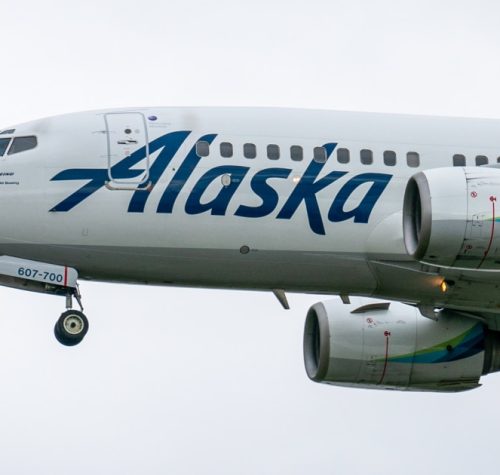
Savewith a NBCUniversal ProfileCreate your free profile or log in to save this articleOct. 7, 2025, 3:21 PM EDTBy Maya Rosenberg and Jay BlackmanWASHINGTON — Federal funding for air travel in rural areas will run out Sunday if the government shutdown continues, threatening to isolate remote communities across the country.The Essential Air Service (EAS), established in 1978, provides funds to airline carriers to operate out of rural airports for routes that would otherwise be unprofitable. The program is a lifeline for remote communities because it connects them to cities with larger airports, ensuring access to medical treatments, work opportunities and commercial goods that would otherwise be a lengthy travel away. “Money runs out this Sunday. So there’s many small communities across the country that will now no longer have the resources to make sure they have air service in their community,” Transportation Secretary Sean Duffy said in a press conference Monday. “Every state across the country will be impacted by the inability to provide the subsidies to airlines to service these communities.”The EAS gives money to regional air carriers in 177 communities across all 50 states, as well as Puerto Rico, according to DOT. The Regional Airline Association, an advocacy group for regional airlines that receive EAS funds, said that “commercial air service at EAS airports had an economic impact of $2.3 billion and supported more than 17,000 U.S. jobs” before the pandemic. FAA announces possible staffing issues potentially caused by government shutdown 02:10“This program is an essential economic lifeline for over 500 rural communities who are often hit the hardest whenever there is disruption in the National Airspace System,” the association said in a statement. “[We] continue to urge Congress to come together and reopen the government for the good of the American public. The current government shutdown only adds stressors to an air transportation system that is already plagued with delays, disruptions, and cancellations.”As the shutdown continues with no end in sight, the Federal Aviation Administration is already confronting staffing shortages and slight increases in sick calls as air traffic controllers work without pay. NBC News reported Monday that no air traffic controllers were expected at Hollywood Burbank Airport in the Los Angeles area for hours, and that the main airports in New Jersey and Denver also experienced staffing issues.We’d like to hear from you about how you’re experiencing the government shutdown, whether you’re a federal employee who can’t work right now or someone who is feeling the effects of shuttered services in your everyday life. Please contact us at tips@nbcuni.com or reach out to us here.Congress appropriated nearly $500 million to the EAS in 2024; The expenditure is typically bipartisan, serving rural communities in states across the country. However, earlier this year, President Donald Trump looked to slash the program’s budget by $308 million in his discretionary budget. He had recommended eliminating the program in its entirety in a budget blueprint during his first term. The federal funding is particularly important for Alaska, where the state’s hundreds of islands and vast swaths of tundra make traveling by air a necessity. According to an October 2024 Transportation Department report, Alaska received more than $41 million in EAS subsidies. Duffy told reporters that the “number one user” of rural airspace is Alaska, and that the state “will be impacted” if funding runs out. “This is almost breathtaking, when you think about the implications for these communities, because there is no road for any of these places,” Sen. Lisa Murkowski, R-Alaska, told NBC News on Monday. “This is a big stressor right now.”Murkowski said that Alaska Airlines would maintain service at a handful of airports regardless of EAS funding but that she was worried for smaller carriers. She added that she was trying to get in touch with Duffy. Alaska Airlines did not immediately respond to a request for comment.Meanwhile, Murkowski’s fellow Alaska senator, Republican Dan Sullivan, said he was already in talks with the transportation secretary about the issue. “We’re working through it to make it have as little impact as possible. These are EAS subsidies, but this just goes to the whole damn Schumer shutdown,” Sullivan said, referring to the GOP nickname for the shutdown, which Republicans say was caused by Democrats. “But right now, what I’m trying to do is work with the secretary of transportation, who I was exchanging text messages and voice messages with, to try and limit that kind of damage.”Ryan Huotari, the manager of the Sidney-Richland Airport in Sidney, Montana, said the airport and his community depend on EAS funding.“If the EAS didn’t exist, I don’t think it would be able to function,” Huotari said of the airport. “Our winters out here are 20-below, they’re pretty treacherous. It’s pretty scary driving from here to Billings. I’d rather be in an airplane than a car.” Sidney is only an hour flight away from Billings, Montana’s largest city, but it’s about a four-hour drive each way. Huotari says that the airport is crucial for people who can’t make the eight-hour round trip, like the elderly who need medical care in Billings, or the oil workers who commute between the two areas. Huotari, who helmed the airport during the last shutdown in 2018, said he’s used to the EAS being on the budgetary chopping block but, with no solution in Congress in sight, this time he’s worried.“My biggest concern is getting people paid. There are a lot of federal grants out there that I’ve got right now,” he said. “There’s a lot of money hanging out there, like in the millions.”Maya RosenbergMaya Rosenberg is a Desk Assistant based in Washington, D.C.Jay BlackmanJay Blackman is an NBC News producer covering such areas as transportation, space, medical and consumer issues.Brennan Leach and Frank Thorp V contributed.

WASHINGTON — Federal funding for air travel in rural areas will run out Sunday if the government shutdown continues, threatening to isolate remote communities across the country

Source link

TAGS:
29 views

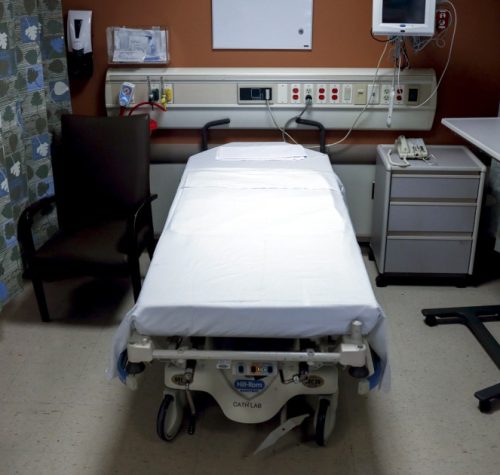
Oct. 7, 2025, 2:00 PM EDTBy Berkeley Lovelace Jr.If you’re among the roughly 165 million Americans who get your health coverage through work, not the government, you might be wondering: Is my plan next, now that health insurance premiums for Affordable Care Act plans are set to rise next year?Experts say there’s no single, across-the-board increase, but increases are likely for many people on employer-sponsored plans. And even if your monthly premium stays the same, you could still end up paying more through higher deductibles or copays.“Last year, health insurance premiums went up. This year, they went up. And next year, they’ll go up,” said Dr. Kevin Schulman, a professor of medicine at the Stanford University School of Medicine who researches employer-based health insurance.Have you gotten a notice about health insurance premium hikes for next year? Whether you receive benefits from the Affordable Care Act or private insurance from your employer, we’d like to hear from you. Please contact us at tips@nbcuni.com or reach out to us here.So, how much could your plan go up? Unlike ACA plans, in which insurers publicly file proposed rate increases with states and federal regulators, employers often negotiate plans with insurers privately, said Gary Claxton, director of the Program on the Health Care Marketplace at KFF, a health policy research group. That means your premium increase might not be apparent until open enrollment.Even so, recent employer surveys shed some light on what companies expect to pay next year — though they may not pass the entire increase onto the employee.A September report from the benefits consulting firm Mercer found employers say health care plan costs could rise by nearly 9% on average in 2026 if they don’t take action to control costs. The survey was based on more than 1,700 U.S. employers. Another report from the consulting firm Aon projects employer health care costs will climb 9.5% next year, based on data from more than 1,000 U.S. companies. HR consulting firm Segal estimates a roughly 9% increase for health plans and 11% for prescription drugs. Claxton said some employers will decide to pass some of the additional costs onto employees through premiums. The Mercer report, for example, said the average cost of coverage per employee is expected to be 6% to 7% — the biggest increase in more than a decade — a jump that will likely show up in workers’ premiums.“If we’re seeing a big increase of 6.5%, it’s likely that the employee contribution, the employee share of the premium, is going to go up by the same amount,” said Beth Umland, director of research for health and benefits at Mercer. Other companies, however, may keep premiums steady, but raise deductibles or copays, Claxton said.Others, in a competitive labor market, might absorb the entire cost increase themselves. “Sometimes it’s better to eat that cost as opposed to upsetting your employees, particularly if it’ll mean that some of them will leave,” Claxton said. “It’s often more expensive to recruit new workers.”It also depends on how big the company is and whether its employees are healthy enough for it to take on the financial risk.“If you have a really young workforce, your premiums are going to be lower,” Claxton said. “If you have an older workforce, they’re going to be higher. If you’re an employer with only a few hundred employees, if you get a couple really sick people, you can see a big increase from year to year, particularly if that sickness is going to persist.”Schulman said some companies may try to control costs instead by limiting which doctors and hospitals employees can use, also called “narrow network.”Still, he said, the premium increases have been a growing trend: Health insurance costs as a percentage of median family household income have increased from 13% to 25% from 2000 to 2021.“These are enormous increases in health insurance premiums, Schulman said. Why is insurance getting more expensive?In the reports from Mercer and Aon, employers cited many of the same cost pressures that are driving up ACA premiums, including rising hospital costs and pricey prescription drugs, like GLP-1s, and a growing number of people seeking care — thanks in part to convenient options like telehealth that are making it easier for people to get help. JoAnn Volk, a research professor and co-director of Georgetown University’s Center on Health Insurance Reforms, said the increases are largely due to rising health care costs. Georgetown’s McCourt School of Public Policy sent a memo last month to Democratic senators who requested information about the proposed rate increases under ACA plans. Volk said many forces cited hitting ACA plans — including higher prices, more use of services and inflation — are hitting employer plans, too. What’s more, people are spending more. Health care spending jumped about 8.2% in 2024 and is projected to grow another 7.1% this year, outpacing spending across the broader economy, according to a June study published in Health Affairs. Health spending may slow slightly in 2026 as fewer people are expected to have health insurance, but costs will likely keep rising faster than the overall economy.Some employers could raise premiums next year, while others may have already locked in rates and won’t adjust them, Volk said.In the coming year, they may also factor in new employees who previously had coverage through the ACA marketplace or another individual plan.“Some employers start on a fiscal year, which might be summer of next year, and they would be more likely to say, ‘We have some sense now of who’s coming back into the employer plan, then the prices may adjust to reflect that,” she said. Berkeley Lovelace Jr.Berkeley Lovelace Jr. is a health and medical reporter for NBC News. He covers the Food and Drug Administration, with a special focus on Covid vaccines, prescription drug pricing and health care. He previously covered the biotech and pharmaceutical industry with CNBC.

Experts say there’s no single, across-the-board increase, but increases are likely for many people on employer-sponsored health insurance plans next year.

Source link

TAGS: